A one way solenoid valve is an essential component in many industrial applications where precise control of fluid flow is required. Whether in liquid or gas systems, this valve ensures that the fluid flows only in one direction, preventing backflow, and is widely used in various systems such as water treatment, air conditioning, and automation processes. In this article, we will explore the working principle, key features, and common applications of the one way solenoid valve, as well as the benefits it brings to fluid control systems.
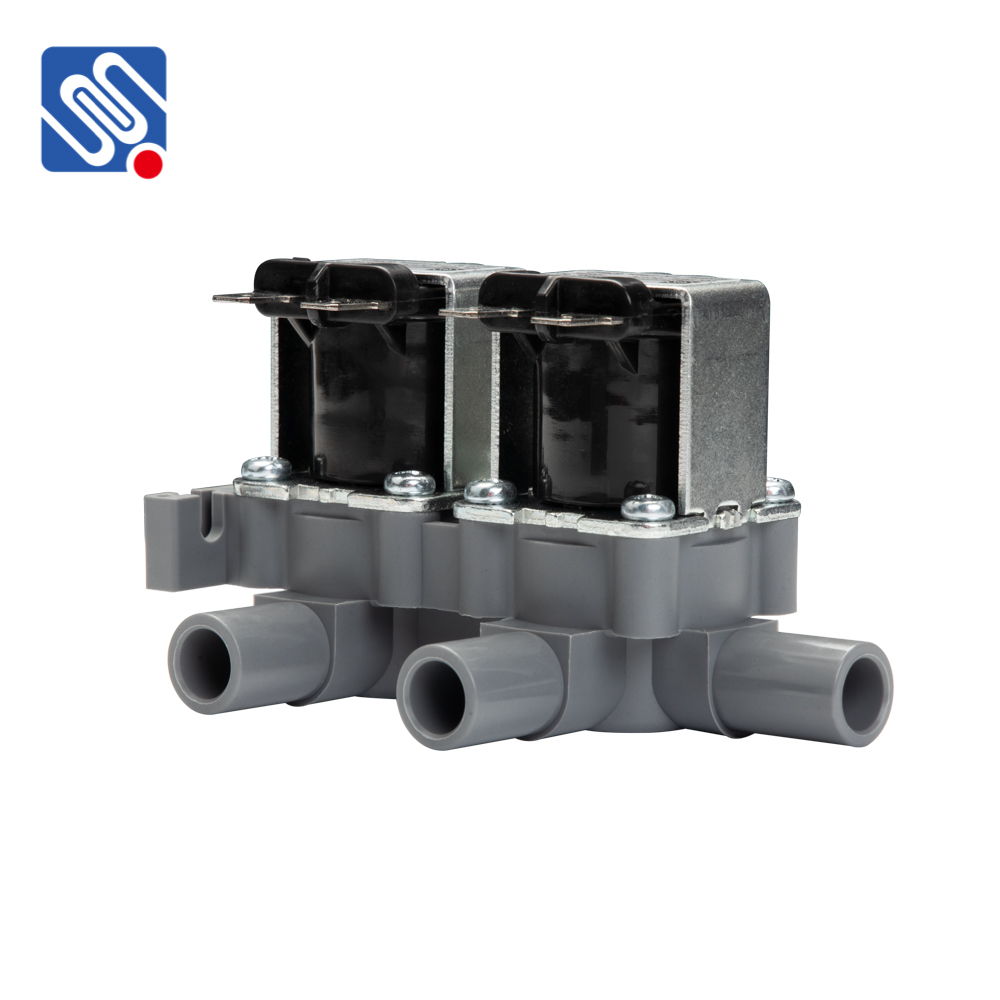
What is a One Way Solenoid Valve? A one way solenoid valve, also known as a check valve or directional control valve, is a type of valve that allows fluid to flow in only one direction. It operates by using an electromagnetic solenoid to control the opening and closing of the valve. When electrical current is applied to the solenoid, it creates a magnetic field that moves the valve’s plunger or armature, opening the valve and allowing fluid to pass. When the electrical current is turned off, a spring mechanism pushes the valve back to its closed position, blocking the fluid flow. This valve is designed to prevent backflow, which is crucial in many applications to avoid contamination, pressure buildup, or damage to sensitive equipment.