The one way solenoid valve is a vital component in various fluid control systems, designed to regulate the flow of liquids and gases efficiently. This article delves into the functionality of one way solenoid valves, their diverse applications, and the advantages they offer across different industries.
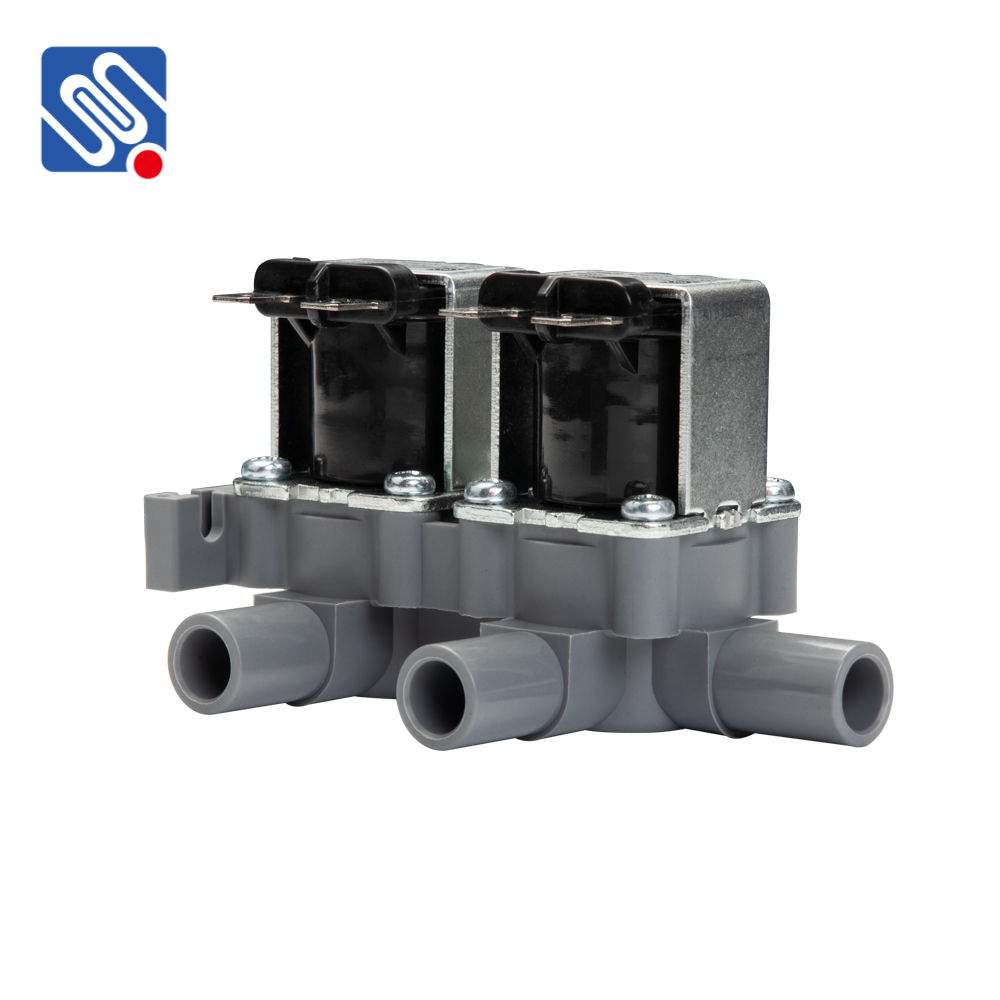
Functionality of One Way Solenoid Valves At its core, a one way solenoid valve is an electromechanical device that operates on the principle of electromagnetic induction. The valve consists of two main parts: the solenoid (an electromechanical coil) and the valve body that contains the fluid. When an electrical current passes through the solenoid, it generates a magnetic field that actuates a movable element, typically a valve plug or diaphragm. This movement either opens or closes the valve, allowing fluid to flow in one predetermined direction while preventing backflow. The design of one way solenoid valves usually incorporates a spring mechanism that returns the valve to its closed position when the current is turned off. This feature is crucial for applications that require a fail-safe mechanism, ensuring that the flow of fluid is automatically halted in the absence of power.