Miniature relays, as their name suggests, are small-sized electrical devices designed to control electrical circuits by using a low voltage signal to switch larger currents. These compact components are indispensable in various fields, particularly in automotive electronics, home appliances, industrial automation, and communication systems. This article will explore the key features, working principles, and common applications of miniature relays, providing a comprehensive understanding of their crucial role in modern electronic systems.
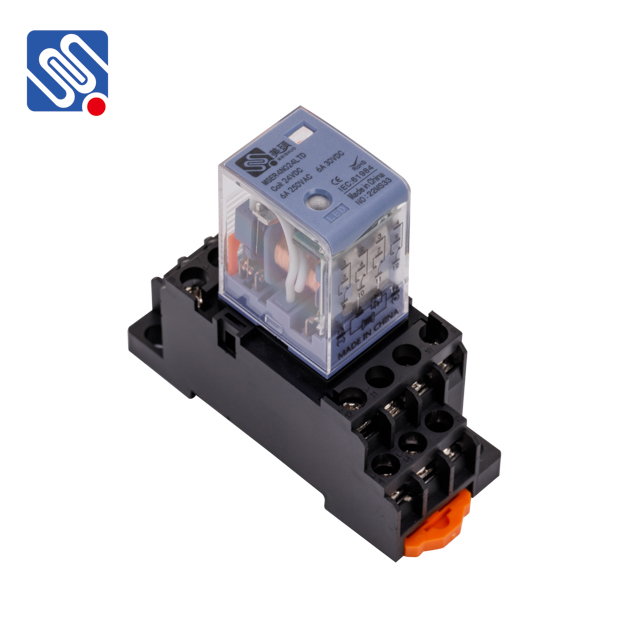
What is a Miniature Relay? A miniature relay is a type of electromagnetic switch that is smaller than a standard relay. It is typically used in low-power circuits to control higher-power circuits, making it an essential component in numerous electronic devices. The core function of a relay is to use a small current or voltage to control the flow of a much larger current or voltage. Micro-sized relays have a compact design, typically measuring only a few centimeters in length, yet they are capable of handling substantial loads, making them suitable for space-constrained applications. Key Features of Miniature Relays