The Mini Solenoid Valve is an innovative device that plays a critical role in fluid control across various industries. Compact yet efficient, this valve utilizes electromagnetic power to manage the flow of liquids and gases, making it a vital component in both automated systems and manual applications. In this article, we will explore the working principles, applications, advantages, types, and maintenance of Mini Solenoid Valves, highlighting their significance in modern technology.
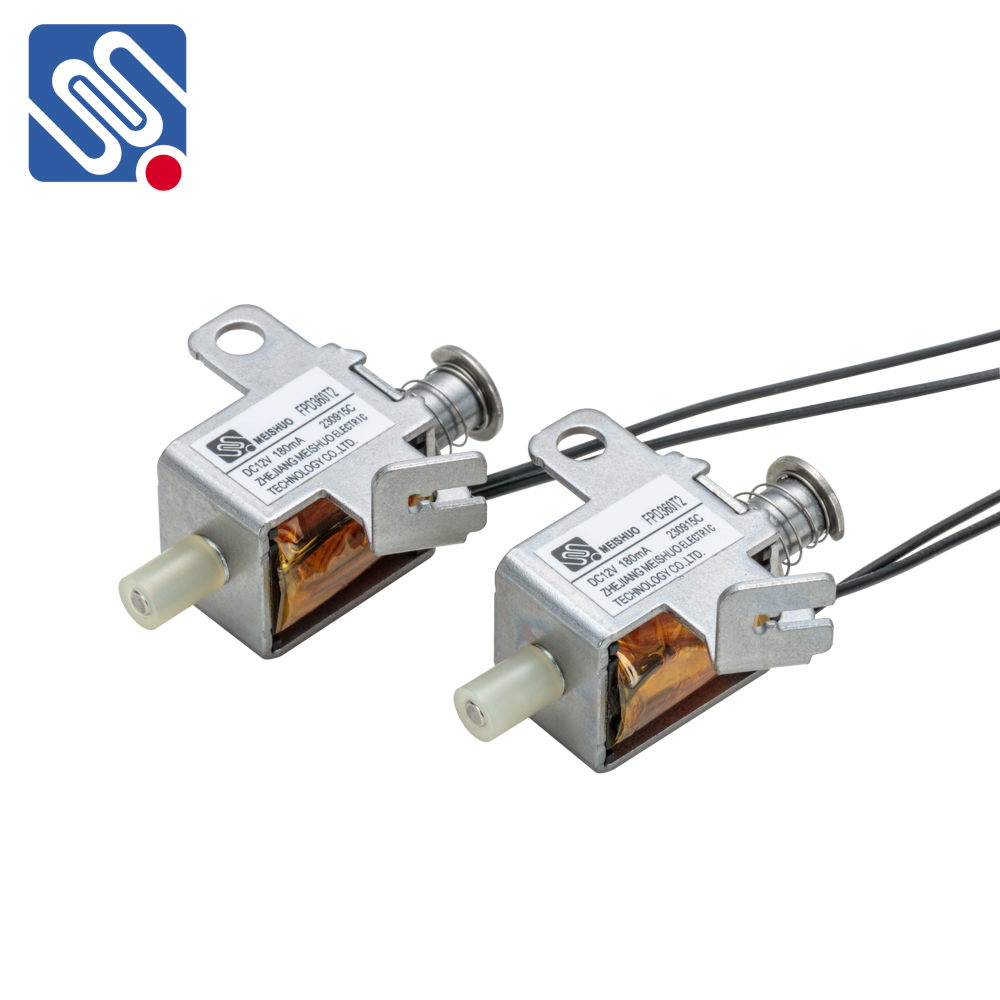
Working Principle At the heart of a Mini Solenoid Valve lies an electromagnetic coil that, when energized, creates a magnetic field. This field actuates a plunger or diaphragm, moving it to open or close the valve. The operation can be categorized into two main types: normally closed (NC) and normally open (NO). In a normally closed valve, the flow is stopped when the coil is not energized, allowing flow only when electricity is applied. Conversely, a normally open valve enables flow until the coil is energized, which activates the closing mechanism. The simplicity of the design contributes to a quick response time, often within milliseconds. This rapid actuation is crucial in applications that require immediate flow control, such as in pneumatic systems or medical devices.