In today’s rapidly advancing industrial landscape, the need for efficient motor control systems is more critical than ever. A key component of these systems is the Industrial Power Relay, which plays a significant role in managing and controlling motors across various applications. This article explores the fundamentals of industrial power relays, their types, applications, advantages, and factors to consider when selecting the right relay for motor control.
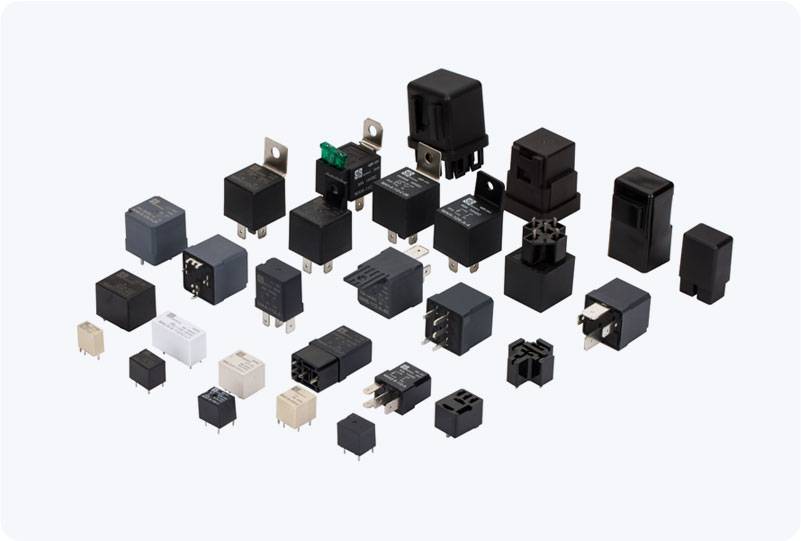
What is an Industrial Power Relay? An industrial power relay is an electromechanical or solid-state device designed to control high power electrical circuits. By receiving a low power input signal, it can switch on or off a much larger power circuit. In the context of motor control, these relays are essential for managing the operation of motors, ensuring they start, stop, and operate efficiently. Types of Industrial Power Relays There are primarily two types of industrial power relays used in motor control applications: electromechanical relays (EMRs) and solid-state relays (SSRs).