In today’s fast-paced industrial landscape, safety is paramount. As companies strive to maintain productivity while ensuring the well-being of their employees, they often employ various safety measures and protocols. One such critical component is the safety padlock. These specialized locks play an impactful role in safeguarding workers from hazardous situations, particularly when dealing with machinery, electrical systems, and other potentially dangerous equipment. This article examines the significance of safety padlocks, their features, and their role in enhancing workplace safety.
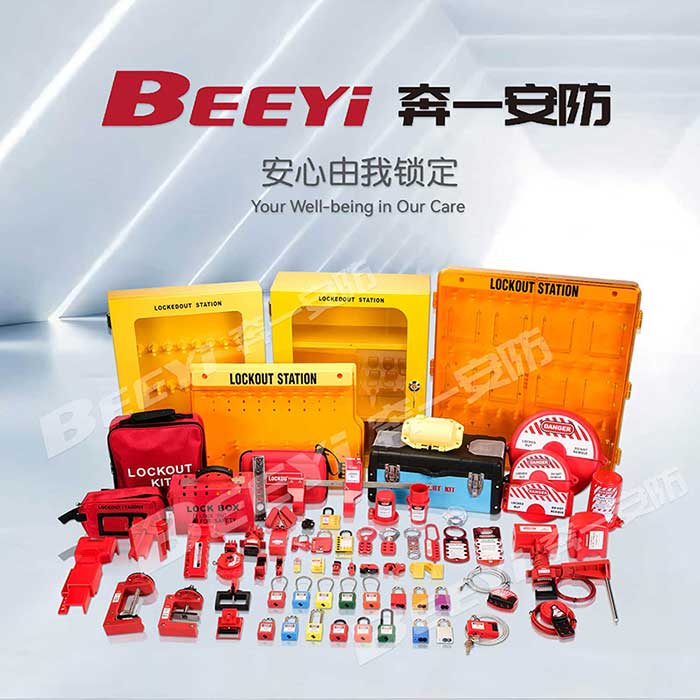
What is a Safety Padlock? A safety padlock is designed specifically to provide protection against accidental machine startup or the release of stored energy during maintenance and repair activities. Unlike regular padlocks that may serve general purposes, safety padlocks are often used in accordance with locking and tagging procedures (also known as Lockout/Tagout or LOTO) mandated by occupational safety standards. This ensures that employees can perform their tasks without the fear of unexpected hazards. Key Features of Safety Padlocks Durable Materials: Safety padlocks are made from high-quality materials that withstand harsh environmental conditions. They are often constructed from materials such as reinforced steel or heavy-duty nylon to prevent tampering and resist corrosion.