The rise of electric vehicles (EVs) has revolutionized the automotive industry, paving the way for cleaner, more efficient transportation. As technological advancements continue to enhance the performance and reliability of EVs, various components within their systems become critical to ensure safety and functionality. Among these components is the precharge relay, which plays a vital role in regulating the power flow in electric drivetrains. This article delves into the significance of the precharge relay for EVs, discussing its working principle, importance in safety, and its integration within the broader electrical architecture of electric vehicles.
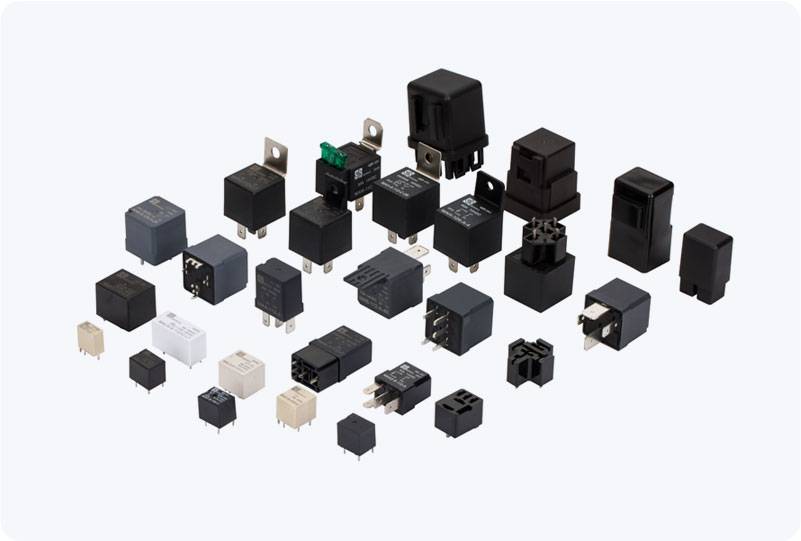
What is a Precharge Relay? A precharge relay is an electromechanical device designed to control the initial connection between a high-voltage battery and the other electrical systems, such as the inverter and motor controller. When applying power to an electric vehicle’s drivetrain, sudden inrush currents can occur, posing a threat to sensitive electronic components. The precharge relay allows for a controlled charge to be delivered to capacitors within the inverter and other related systems before fully engaging the connection with the battery. Working Principle The operation of the precharge relay is systematic and crucial for the safety of the EV. When the vehicle is activated, the precharge process begins in two primary stages: