New Energy Vehicles (NEVs) have quickly become a dominant force in the automotive industry, driven by the need for cleaner, more sustainable transportation solutions. As more countries move towards electrification of transport, the role of various electrical components in these vehicles becomes even more critical. One such essential component is the New Energy Vehicle Relay, a small yet crucial part of an EV’s electrical system. This relay plays a vital role in controlling high-voltage circuits, ensuring the safety, efficiency, and longevity of electric vehicles (EVs).
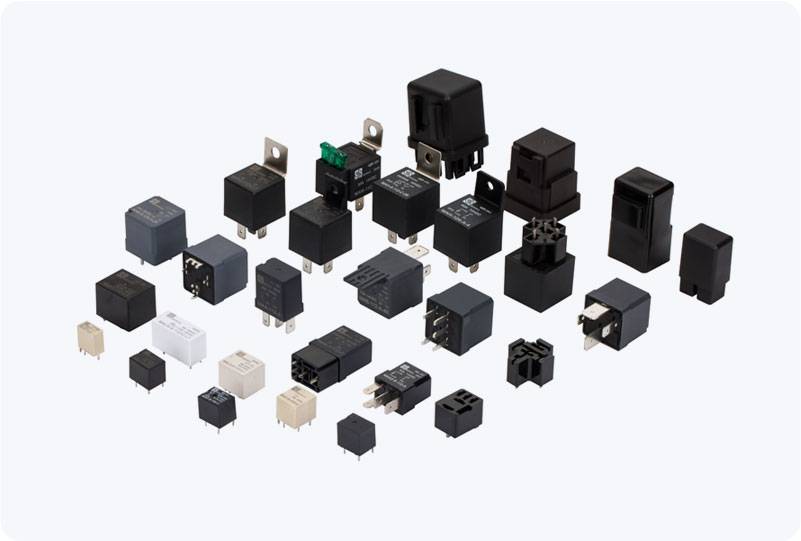
The Functionality of New Energy Vehicle Relays In essence, a New Energy Vehicle Relay is an electrical switch designed to control high-voltage circuits in electric vehicles. Relays are used to open and close electrical circuits without needing a human operator to manually control them. This is especially important in electric vehicles, where multiple high-power systems—such as the battery, electric motor, and charging circuits—need to be regulated for proper functioning. The core function of these relays is to switch the electrical power between components without direct mechanical interaction. Given the high voltage and current involved in EV systems, these relays ensure that the electric circuits are engaged or disengaged based on real-time requirements, such as during driving, charging, or idle periods.