Low Flow Solenoid Valves are essential components in various industries where precise control of fluid flow is paramount. These valves are designed to manage small, regulated flows of liquids and gases, making them particularly useful in applications that require accuracy and efficiency. Whether in laboratory equipment, medical devices, or automated systems, Low Flow Solenoid Valves provide reliable performance, ensuring that fluid handling is both controlled and safe.
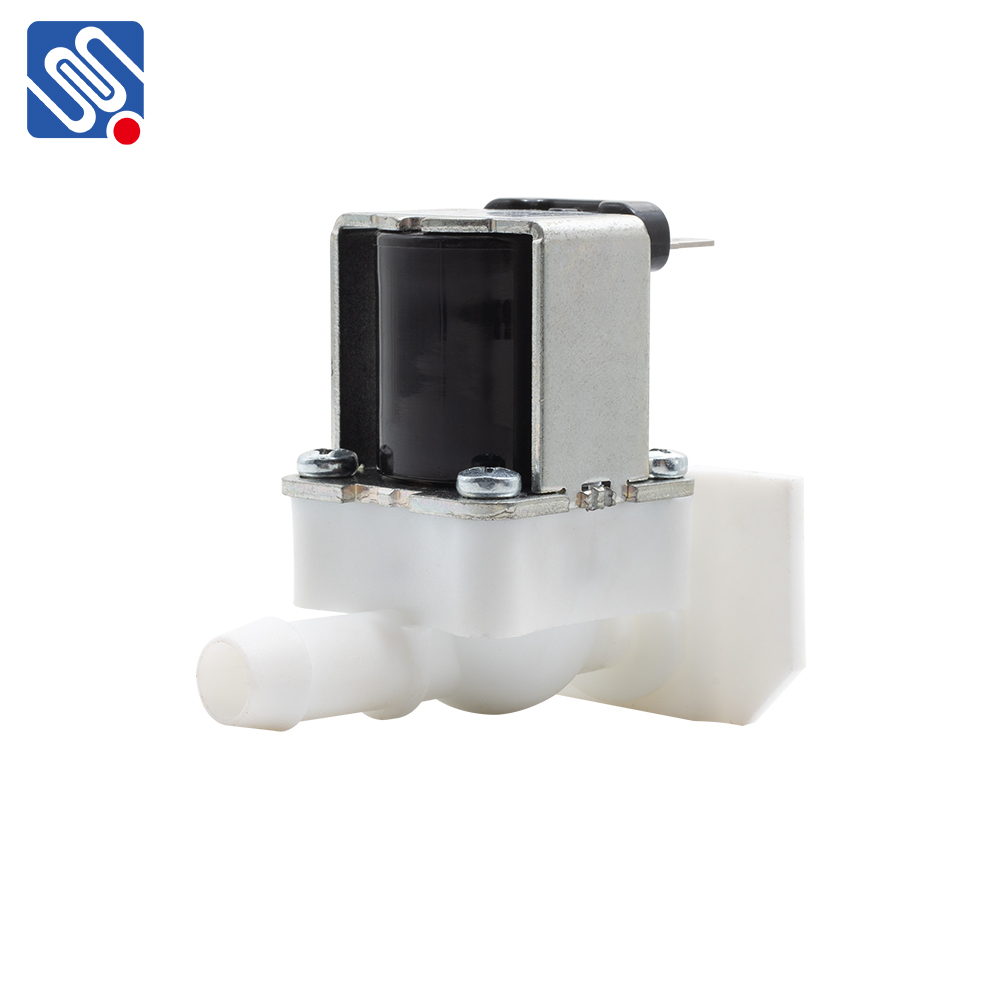
What is a Low Flow Solenoid Valve? A Low Flow Solenoid Valve is an electromechanical device that regulates the flow of fluids in response to an electrical signal. Unlike traditional solenoid valves, which are often designed for higher flow rates, low flow solenoid valves are specifically engineered for controlling small, precise amounts of fluid. The core of the valve consists of a solenoid (a coil of wire) and an armature (a movable metal part), which, when energized by an electric current, actuates the valve mechanism, opening or closing the flow path. These valves are designed with smaller orifice sizes, enabling them to accurately control flow rates that are often measured in milliliters per minute or even smaller increments. As a result, they are ideal for applications where the volume of fluid or gas to be regulated is minimal but critical to the operation of the system.