In industrial settings, safety is paramount, especially when it comes to working with heavy machinery and potentially hazardous energy sources. One of the most effective ways to protect workers from accidental injury during maintenance or repair work is through the use of Lockout/Tagout (LOTO) safety procedures. Among the key components of the LOTO system, the LOTO safety padlock plays a crucial role in ensuring that equipment remains securely isolated from its energy source during servicing. This article will explore the importance of the LOTO safety padlock, its features, and how it contributes to workplace safety.
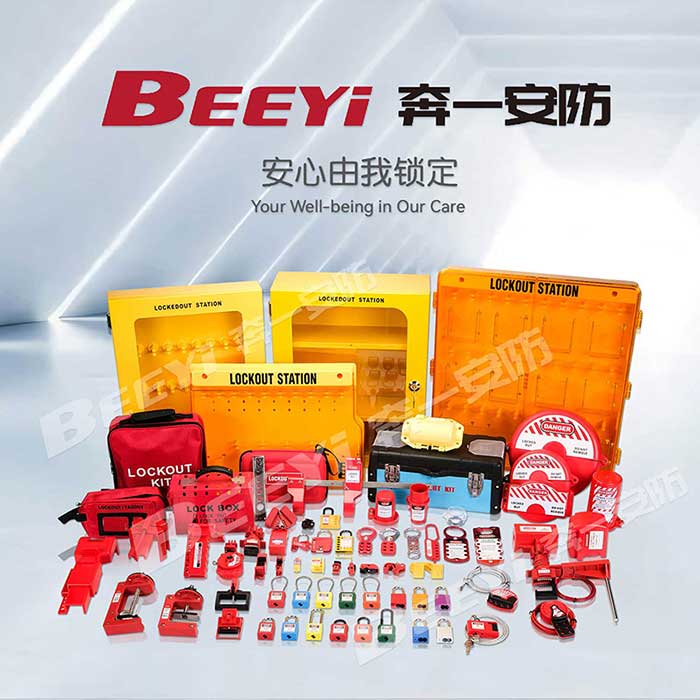
What is a LOTO Safety Padlock? LOTO stands for Lockout/Tagout, which is a safety protocol used to control hazardous energy sources during the maintenance or servicing of equipment. A LOTO safety padlock is a physical device used to lock out a machine or system, ensuring that it cannot be operated while repairs or adjustments are being made. The padlock is part of a broader lockout/tagout procedure that also includes tags, warning labels, and physical locks to prevent accidental energization of machinery. The Role of LOTO Safety Padlocks The primary role of the LOTO safety padlock is to physically secure energy isolation points, such as electrical panels, gas valves, or hydraulic systems, preventing any unauthorized or accidental activation. These padlocks ensure that only the worker who applied the lock can remove it once the maintenance is completed, which significantly reduces the likelihood of injury.