In any industrial setting, the safety of workers is paramount. One of the key practices to ensure this safety is the proper management of hazardous energy during maintenance, repair, and service operations. This is where the concept of lockout/tagout (LOTO) comes into play. Among the various tools used to implement LOTO procedures, the Lockout Bag application plays a crucial role in helping businesses effectively manage and prevent workplace accidents caused by the accidental release of energy. In this article, we will explore the significance of Lockout Bag applications, how they work, and why they are indispensable for workplace safety.
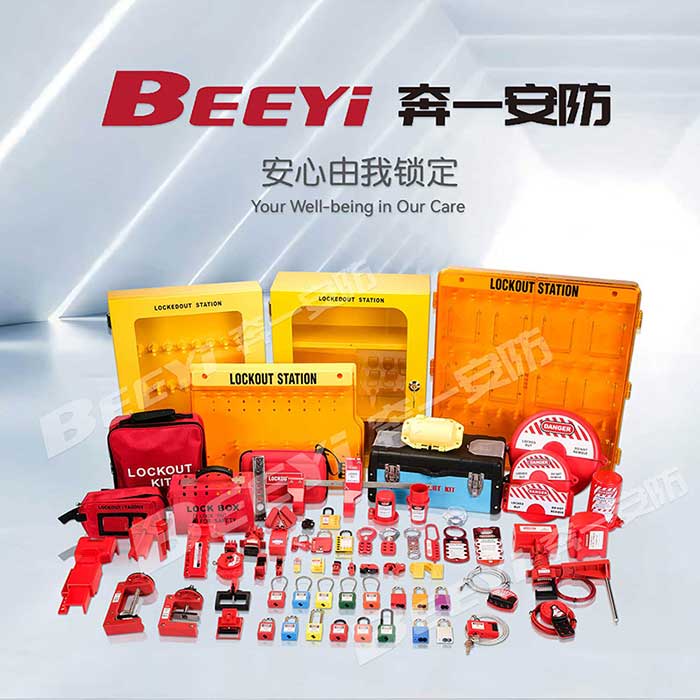
What is a Lockout Bag? A Lockout Bag is typically a device used to safely contain locks, tags, and other lockout equipment. In many industries, equipment must be powered off or disconnected during maintenance to prevent accidental activation or the release of hazardous energy. Lockout Bags serve as a secure and organized container for storing the lockout devices, ensuring that they are readily available, and protecting them from damage or misuse. Traditionally, lockout devices such as locks and tags were physically stored in lock boxes or lockers, but the advent of digital technology has paved the way for more sophisticated systems, including the Lockout Bag application. This digital system allows for a streamlined and more effective management of lockout/tagout procedures. The Lockout Bag application is designed to store detailed information about lockout/tagout protocols, track the usage of lockout equipment, and ensure compliance with safety regulations.
Leave a Reply