In industrial and manufacturing environments, safety is of paramount importance. Every year, workplace accidents result in serious injuries or fatalities, many of which are caused by the unintended startup of equipment during maintenance or repair work. To prevent such accidents, the equipment lockout tags system plays a critical role in ensuring that machinery is properly deactivated and cannot be accidentally reactivated while workers are performing maintenance tasks. This article delves into the purpose, components, and benefits of equipment lockout tags, explaining their vital role in safeguarding workers and ensuring compliance with safety regulations.
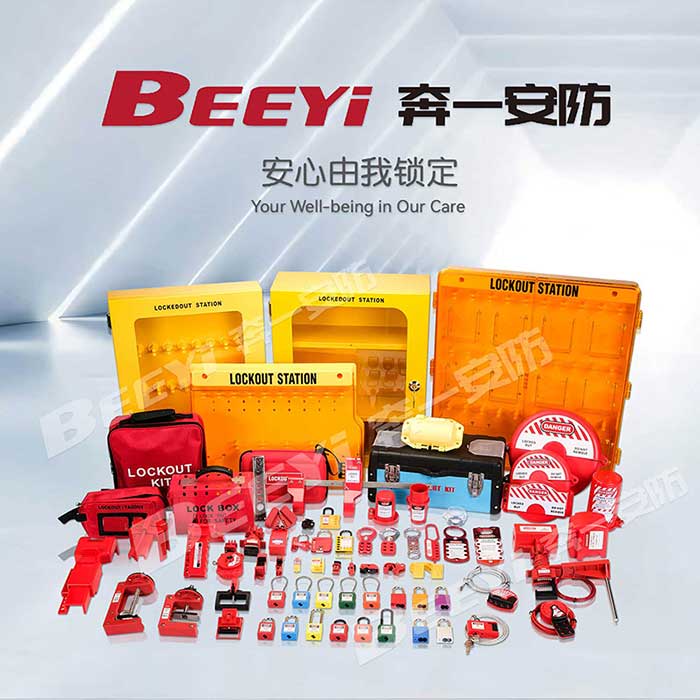
What are Equipment Lockout Tags? Equipment lockout tags are a key part of the lockout/tagout (LOTO) procedure, which is used to control hazardous energy sources during maintenance or repair activities. The tags are used alongside physical locks to alert workers and others that a specific piece of equipment is being serviced and should not be operated until it is safe to do so. These tags serve as a visible and clear warning that equipment is under maintenance, helping to prevent accidental activation and reducing the risk of injury. The Lockout/Tagout Process The lockout/tagout process is a structured safety procedure used to control hazardous energy sources such as electricity, hydraulic systems, or pressurized gases when workers are performing maintenance. The process typically involves two steps: locking out the equipment and tagging out the equipment.