The CE ROHS Certified Relay is a critical component in today’s electronic and electrical systems, ensuring compliance with international safety, environmental, and health standards. With growing concerns about environmental sustainability and the need for safe, reliable electronic devices, understanding the significance of a CE ROHS Certified Relay is more important than ever. In this article, we will explore the key aspects of CE and RoHS certifications, their relevance to relays, and why these certifications are vital in various industries.
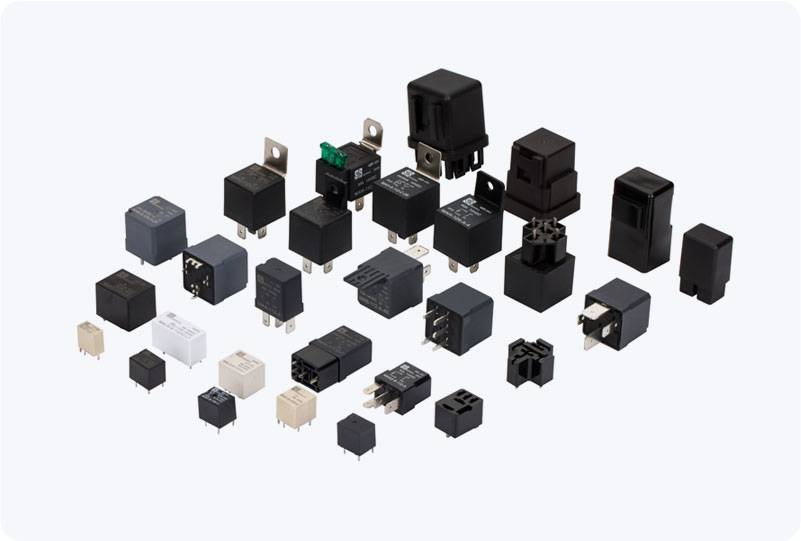
What is a Relay? A relay is an electrical component that allows a low voltage control signal to switch a higher voltage circuit. Essentially, it acts as a switch that is operated by an electromagnet. Relays are integral parts of control systems, and they are commonly found in electrical devices such as home appliances, automobiles, industrial machinery, and communication systems. The main function of a relay is to protect circuits by enabling a safe path for current flow, providing overload protection, and isolating different parts of a system. What Does CE Certification Mean? CE certification, standing for Conformité Européenne (European Conformity), is a mandatory conformity mark for products sold within the European Economic Area (EEA). It signifies that the product meets the safety, health, and environmental protection standards required by European regulations. When a relay is CE certified, it means that it has passed stringent tests and complies with EU directives regarding electrical safety, electromagnetic compatibility (EMC), and overall performance.