An Overload Protection Relay is an essential component in electrical systems, primarily designed to safeguard equipment from damage due to excessive current or overheating. These relays play a crucial role in maintaining the operational integrity of electrical machinery, such as motors, compressors, and pumps. In this article, we will explore the functionality, working principle, types, and importance of overload protection relays in various applications.
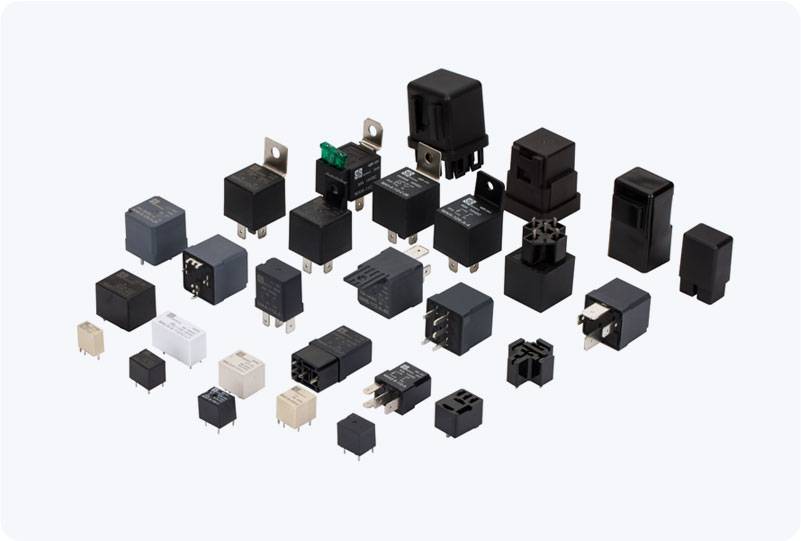
What is an Overload Protection Relay? An Overload Protection Relay is an automatic safety device used to protect electrical equipment from the harmful effects of excessive current. It is typically used in conjunction with electric motors but can also be found in other high-power equipment that requires protection from overcurrent. The relay monitors the current passing through the equipment, and if the current exceeds a predetermined threshold, it trips, disconnecting the electrical circuit and preventing the equipment from sustaining damage due to overheating or electrical stress. How Does an Overload Protection Relay Work?