A 24V 30A relay is a type of electromechanical switch that plays a vital role in controlling high-power electrical circuits using low-power signals. Relays are widely used in various industries, from automotive applications to industrial automation, because of their ability to switch high current loads while being controlled by low voltage, low current control circuits. This article explores the features, working principle, applications, and selection factors of a 24V 30A relay.
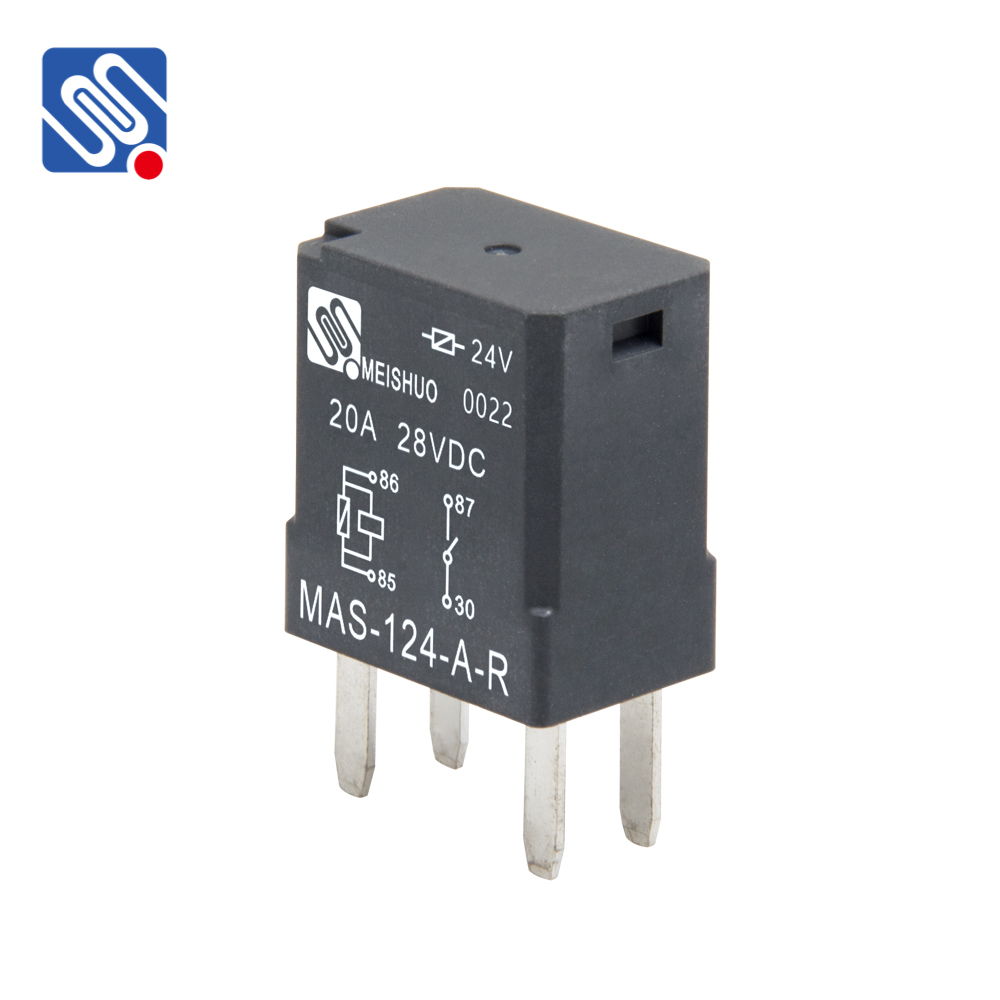
What is a 24V 30A Relay? A relay is an electrically operated switch that allows a low-power circuit to control a higher-power circuit. The 24V 30A relay is specifically designed to operate with a control voltage of 24V DC (direct current), which is common in automotive and industrial systems. It can switch electrical loads up to 30A, making it ideal for use in environments where large electrical currents are involved. Relays typically consist of a coil, contacts, and a mechanism that opens or closes these contacts when the coil is energized. The coil, when powered by a low voltage, creates a magnetic field that pulls or pushes the contacts to switch between their open or closed states. This allows the relay to control the flow of current in the larger circuit, using the small control signal.