In the world of HVAC (Heating, Ventilation, and Air Conditioning) systems, innovation continuously drives the quest for enhanced comfort and energy efficiency. One remarkable advancement in this field is the hygrostat thermostat, a device that combines humidity and temperature control to create an optimal indoor environment. In this article, we’ll delve into the workings of the hygrostat thermostat, its benefits, and its applications.
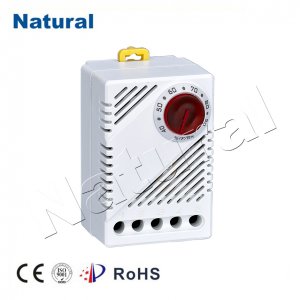
What is a Hygrostat Thermostat? A hygrostat thermostat, also known as a humidity-sensitive thermostat, is an intelligent device designed to regulate both temperature and humidity levels within a space. Unlike conventional thermostats that focus solely on temperature control, the hygrostat thermostat takes into account the humidity level as well. By integrating humidity sensing capabilities, this thermostat ensures a more comprehensive approach to maintaining indoor comfort. How Does it Work? The hygrostat thermostat operates by monitoring the humidity level in the air. When the humidity surpasses a pre-set threshold, the thermostat responds by activating the HVAC system to reduce moisture content. Conversely, if the humidity falls below the desired range, the device can engage a humidifier. Alongside humidity control, the hygrostat thermostat maintains the set temperature, offering a harmonious blend of both comfort and energy efficiency. Benefits of Hygrostat Thermostats Enhanced Comfort:Humidity plays a pivotal role in human comfort. Dry air can lead to skin discomfort and respiratory issues, while excessively humid air can cause a clammy feeling. A hygrostat thermostat ensures an ideal humidity level, contributing to a more pleasant indoor environment. Energy Efficiency:Traditional thermostats often lead to inefficient energy usage, as they only consider temperature when determining HVAC system activation. Hygrostat thermostats optimize energy consumption by activating the system only when both temperature and humidity are outside the desired ranges. Mold Prevention:High humidity levels can foster the growth of mold and mildew, posing health risks and structural damage. By promptly responding to humidity changes, hygrostat thermostats help prevent these issues, saving homeowners from costly repairs. Energy Cost Savings:The combination of temperature and humidity regulation leads to reduced energy usage. By using the HVAC system more judiciously, users can expect noticeable savings on their energy bills. Applications of Hygrostat Thermostats Residential Spaces:In homes, hygrostat thermostats are particularly beneficial for basements, bathrooms, and other areas prone to humidity fluctuations. These devices maintain a healthy and comfortable environment for occupants. Commercial Buildings:Offices, restaurants, and retail spaces can benefit from hygrostat thermostats, as they help create a welcoming atmosphere for customers and employees alike. Greenhouses:Hygrostat thermostats are indispensable in greenhouses, where precise humidity and temperature control are vital for optimal plant growth. Museums and Archives:These sensitive environments require controlled humidity levels to preserve valuable artifacts and documents. Hygrostat thermostats contribute to maintaining the integrity of these items. In conclusion, the hygrostat thermostat represents a significant advancement in HVAC technology. By combining temperature and humidity control, it provides enhanced comfort, energy efficiency, and a range of applications in various settings. As we continue to prioritize both comfort and sustainability, innovations like the hygrostat thermostat pave the way for a more harmonious coexistence with our indoor environments.