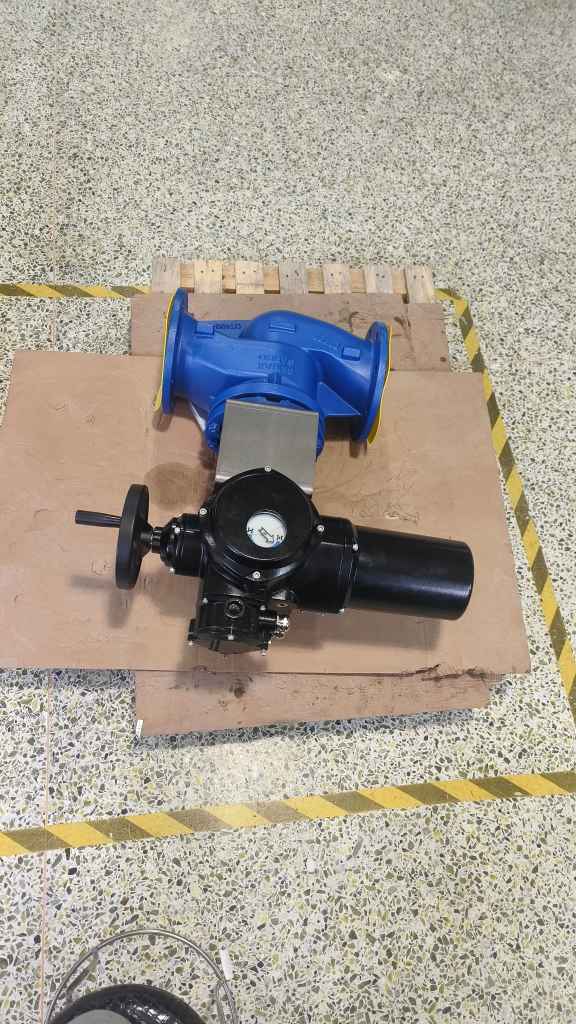
In the world of hydrogen energy, safety and efficiency are paramount. One crucial component that plays a significant role in ensuring the safety and proper functioning of hydrogen-powered systems is the Hydrogen Energy Electric Shut-Off Valve (HESOV). This valve, which operates electronically, is designed to control the flow of hydrogen within systems, preventing hazardous situations while ensuring smooth operation. As hydrogen energy continues to evolve, the importance of such valves in hydrogen fuel cell vehicles (FCVs), refueling stations, and industrial applications is becoming increasingly evident.
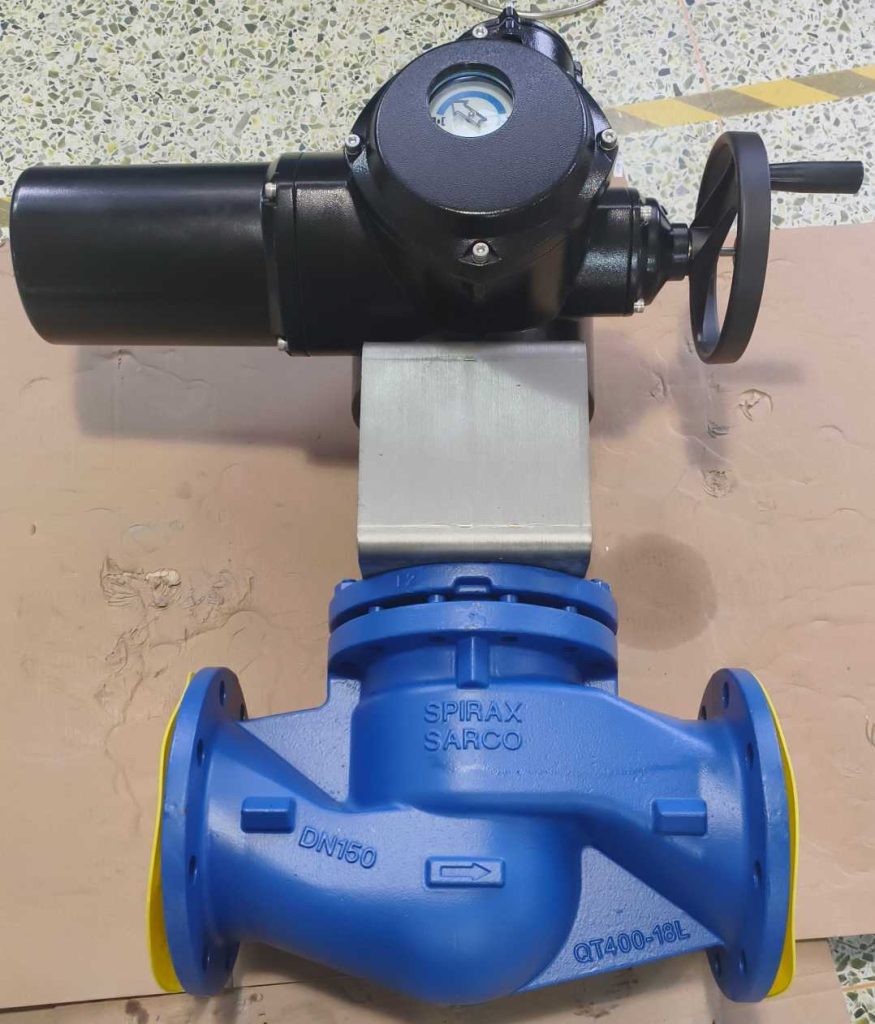
What is a Hydrogen Energy Electric Shut-Off Valve?
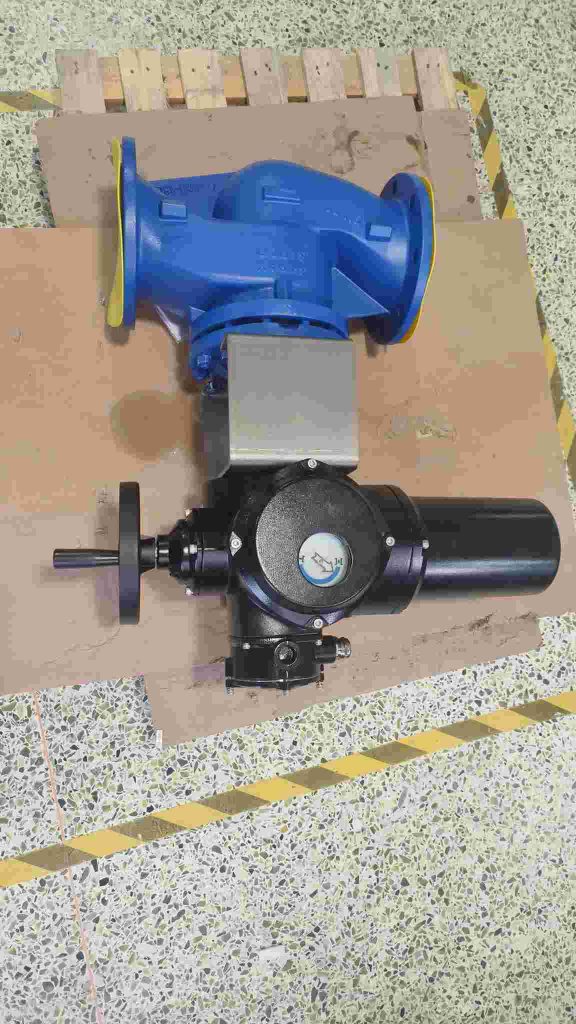
A Hydrogen Energy Electric Shut-Off Valve is an electronically controlled valve used to regulate the flow of hydrogen gas within hydrogen-powered systems. Unlike traditional manual valves, which require physical operation, the electric shut-off valve is activated by electrical signals, often integrated with sensors and automated systems. This allows the valve to respond rapidly to changes in the system’s pressure, temperature, or other parameters, ensuring a precise and timely cut-off of hydrogen flow when necessary. The primary function of the HESOV is to ensure the safety of hydrogen systems by stopping the flow of hydrogen in case of a fault, leak, or system malfunction. In high-pressure environments like hydrogen storage tanks, even a minor leakage can lead to catastrophic consequences, such as fires or explosions. Therefore, having a fail-safe system like the HESOV is vital.