The High Voltage Distribution Relay (HVDR) plays a crucial role in the safety and efficiency of electric power systems. As the demand for electricity continues to rise globally, ensuring that these systems function smoothly and reliably becomes paramount. The HVDR serves as a protective device, monitoring high voltage electricity networks and acting swiftly to prevent operational issues, thereby safeguarding both equipment and personnel.
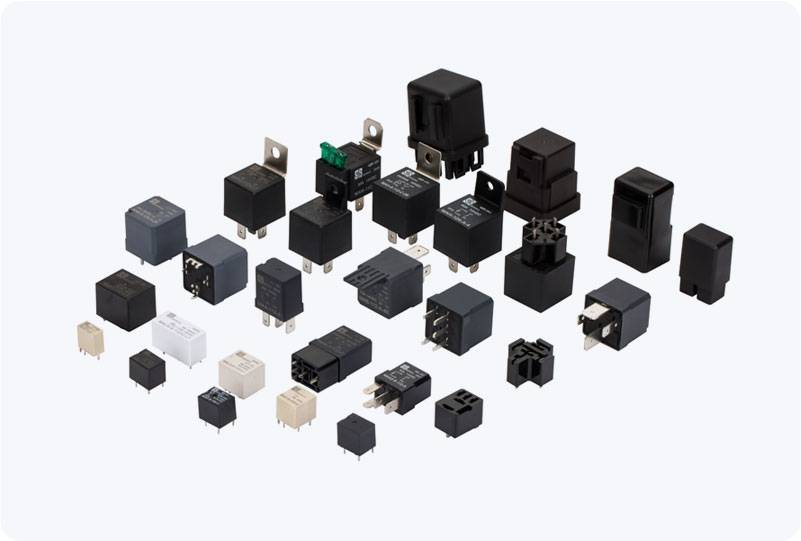
What is a High Voltage Distribution Relay? A High Voltage Distribution Relay is an electromechanical or electronic device used in electrical systems to monitor parameters such as current, voltage, and frequency. By assessing these parameters, the HVDR provides protective functions that are critical for the stability of electrical grids, especially in environments with high voltages, typically above 1kV. Key Functions of HVDR Overcurrent Protection: One of the primary roles of an HVDR is to detect overcurrent conditions. When the current flowing through a conductor exceeds a predetermined threshold, the relay operates to disconnect the circuit. This prevents damage to equipment like transformers and circuit breakers, which could otherwise lead to catastrophic failures.