In the realm of electrical engineering, the High Voltage DC Main Relay plays a pivotal role, particularly in applications involving high voltage direct current systems. As the world increasingly transitions towards renewable energy sources and electric vehicles, understanding the function and importance of this component is essential for engineers, technicians, and anyone involved in the design and maintenance of electrical systems. This article will explore the operation, benefits, and applications of High Voltage DC Main Relays, shedding light on why they are integral to modern electrical engineering.
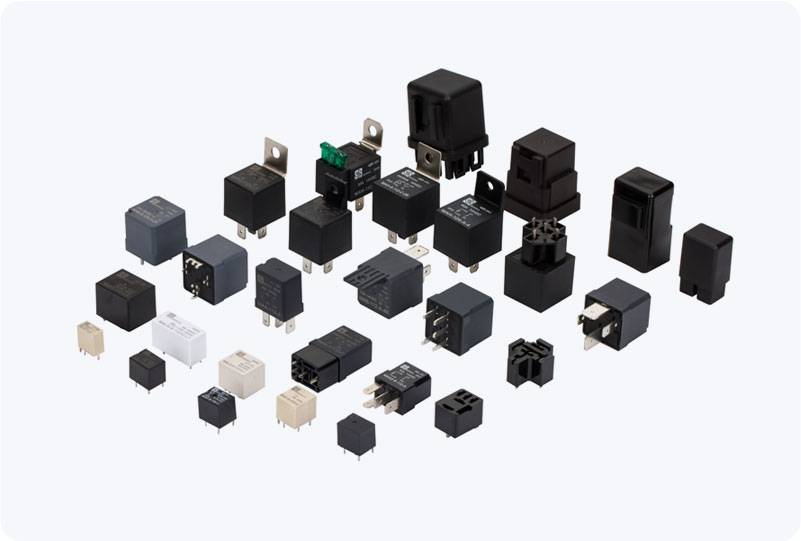
What is a High Voltage DC Main Relay? A High Voltage DC Main Relay is an electromechanical switch that operates to control high voltage direct current (DC) circuits. Unlike traditional relays used in alternating current (AC) systems, these relays are specifically designed to handle the unique characteristics and challenges associated with DC voltage. The relay functions by using electromagnetic principles; when current flows through its coil, it generates a magnetic field that moves a contact arm to either open or close the circuit. This mechanism allows for efficient control of power distribution in a range of applications.
Leave a Reply