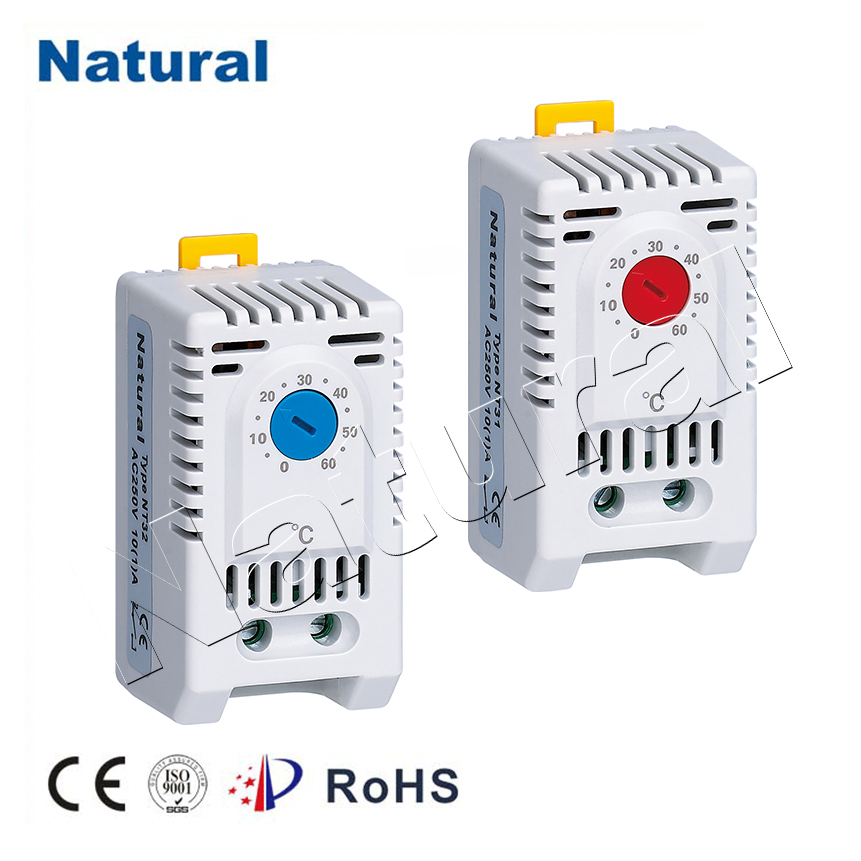
In modern industrial and commercial environments, temperature control is critical to ensuring the optimal performance of electrical systems and machinery. A DIN Rail Thermostat is an essential component used in these settings to maintain precise temperature regulation. This article will explore what a DIN rail thermostat is, how it works, its applications, and the benefits it offers.

What is a DIN Rail Thermostat?
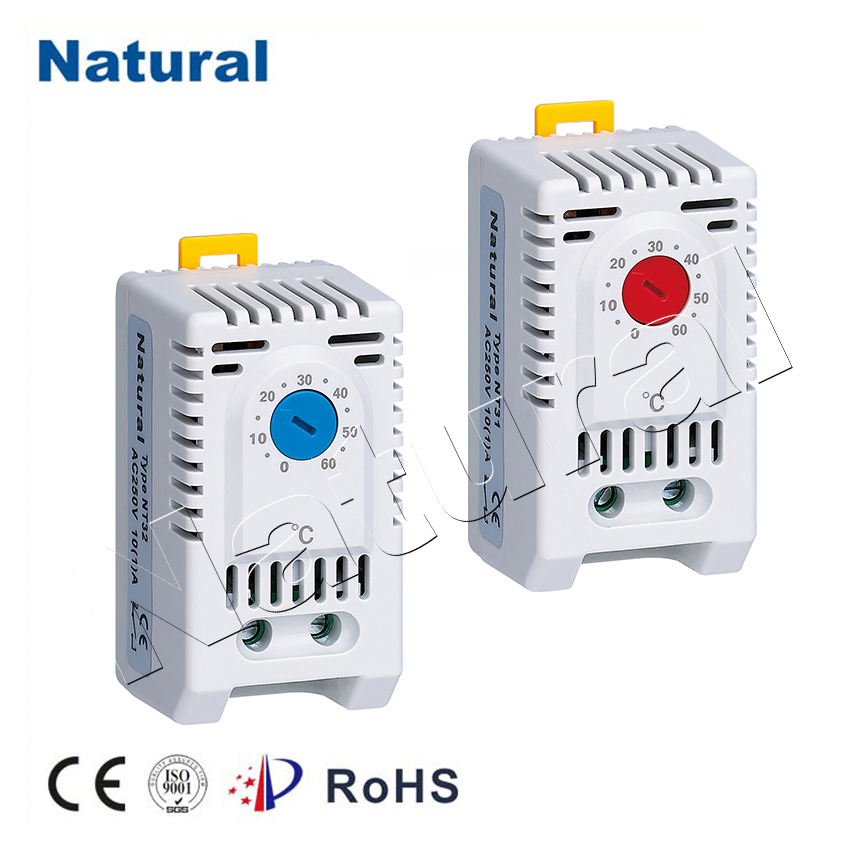
A DIN Rail Thermostat is a temperature-regulating device designed to be mounted onto a DIN rail, a standardized metal track commonly used in electrical enclosures. DIN rails are designed to hold various electrical components securely and efficiently. These thermostats play a pivotal role in controlling the temperature of equipment, machinery, or environments by activating or deactivating heating or cooling systems based on preset temperature limits. The DIN rail thermostat typically connects to temperature sensors, such as thermistors or thermocouples, to measure the current temperature in the system. Once the desired temperature is reached, the thermostat triggers an output device, such as a relay, to adjust the operation of heating or cooling systems accordingly.