A Current Overload Relay (COR) is an essential protective device used in electrical circuits, primarily to safeguard motors and other machinery from damage due to excessive current. In industrial and commercial settings, where motors drive most mechanical systems, protecting these motors from overheating and burnout is crucial. This article explores the working principle, types, applications, and importance of current overload relays in modern electrical systems.
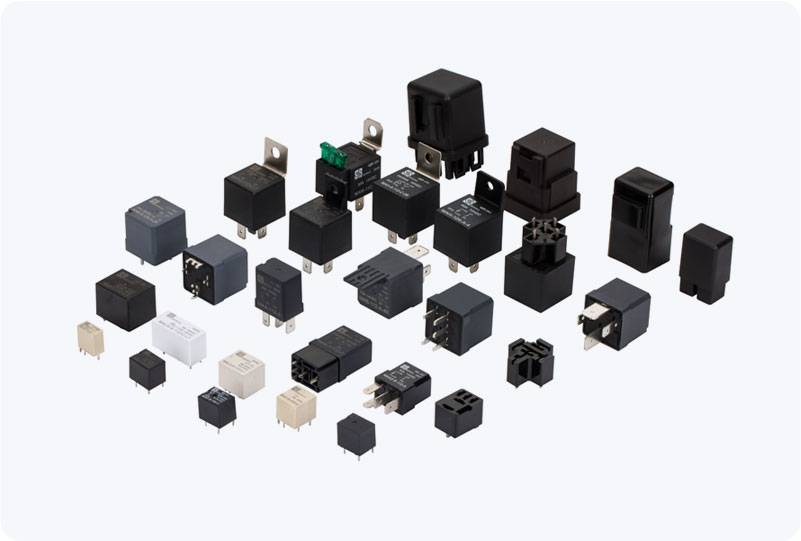
What is a Current Overload Relay? A Current Overload Relay is an electrical device designed to detect and respond to overcurrent conditions. Overcurrent occurs when the current flowing through a circuit exceeds the rated value, either because of an overload or a short circuit. Such conditions can lead to excessive heating, causing insulation damage and even motor failure. The overload relay helps by monitoring the current, detecting overloads, and disconnecting the circuit to prevent damage. Overload relays are widely used in conjunction with contactors, forming an essential part of motor protection systems. They are particularly useful in preventing thermal damage to motors, which is one of the most common causes of motor failure.