Water solenoid valves are essential components in modern water control systems, providing an efficient and reliable means of regulating water flow. Whether in home appliances, industrial systems, or agricultural applications, these valves are designed to automate the control of water flow by utilizing an electromagnetic mechanism. This article will explore the working principle, types, applications, and benefits of water solenoid valves, highlighting their importance in various industries.
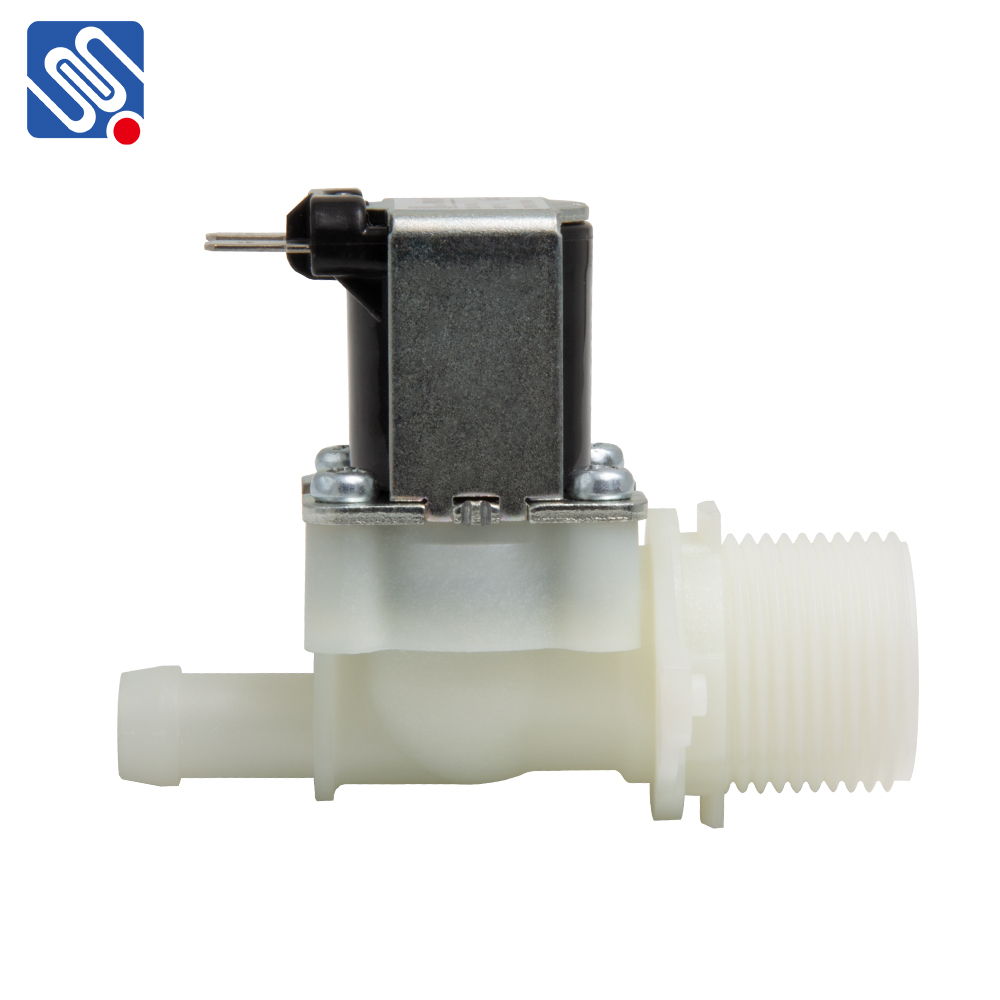
What is a Water Solenoid Valve? A water solenoid valve is an electromechanical device that uses an electric current to control the opening and closing of a valve, allowing or restricting the flow of water. The valve is typically composed of a solenoid coil, a movable core or plunger, and a valve body. When an electrical current is applied to the solenoid coil, it generates a magnetic field that moves the plunger, either opening or closing the valve, depending on the type of valve used. Working Principle The operation of a water solenoid valve is straightforward. It relies on a solenoid (a coil of wire) that, when energized with an electric current, produces a magnetic field. This magnetic field then moves a plunger or armature that is connected to the valve mechanism. The movement of the plunger opens or closes the valve, allowing water to either flow through or be stopped.