Water solenoid valves are critical components in many automated systems, from irrigation and home appliances to industrial applications. These valves allow for precise control over water flow, making them essential in various sectors. This article aims to explain the working principles, advantages, and typical applications of water solenoid valves.
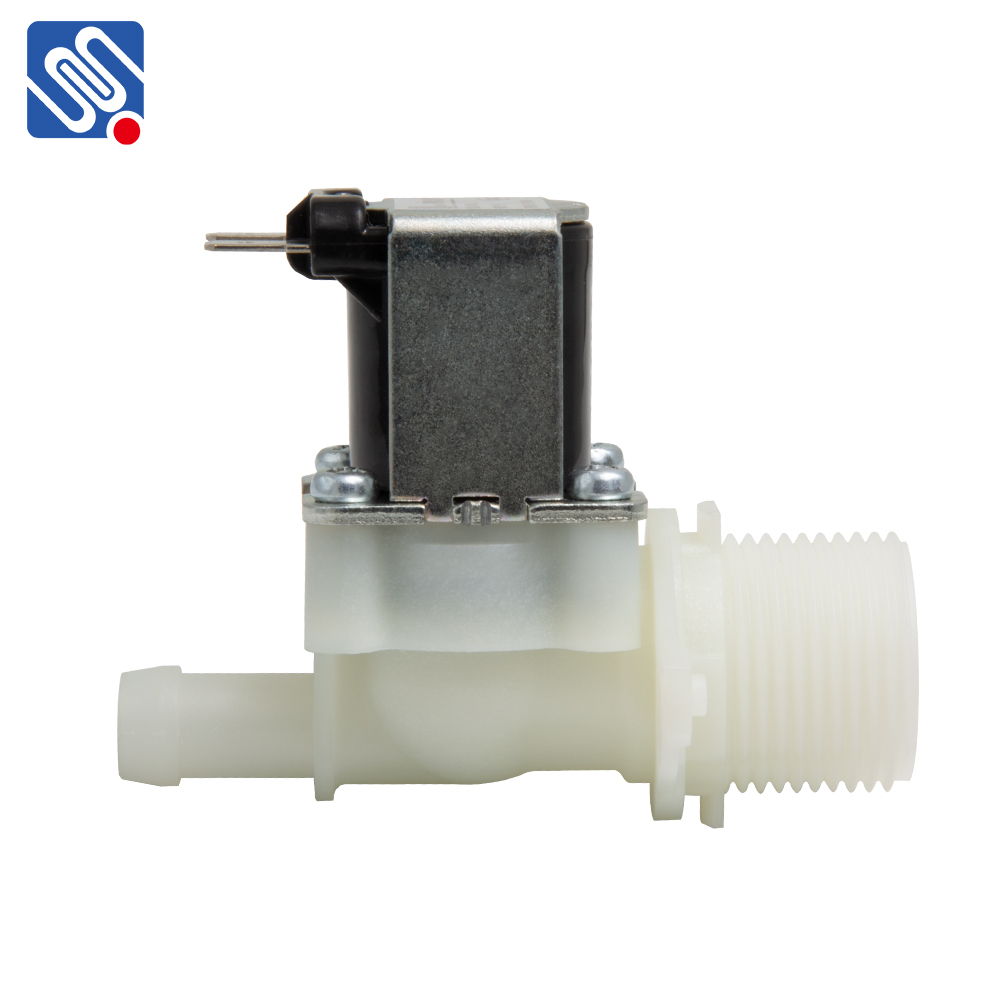
What is a Water Solenoid Valve? A water solenoid valve is an electrically operated valve that uses an electromagnetic solenoid to control the flow of water. The solenoid, when energized, creates a magnetic field that activates the valve, either opening or closing it depending on the configuration. The key benefit of this system is that it allows for remote, automatic control of water flow without the need for manual intervention. How Does a Water Solenoid Valve Work? At its core, the water solenoid valve operates based on a very straightforward mechanism. The system consists of a solenoid coil, an armature (a movable magnetic core), and a valve body. When the solenoid coil is energized, it generates a magnetic field that pulls or pushes the armature. This movement causes the valve to either open or close, allowing water to flow through the pipe or stopping it entirely. When the electrical current is turned off, the solenoid’s magnetic field disappears, and a spring typically returns the valve to its default position (either open or closed).