In various industrial and residential applications, effective fluid management is paramount. One of the key components that contribute significantly to this process is the filtration system solenoid valve. This article will explore the fundamental principles of solenoid valves, their critical role in filtration systems, and the various applications that benefit from their implementation.
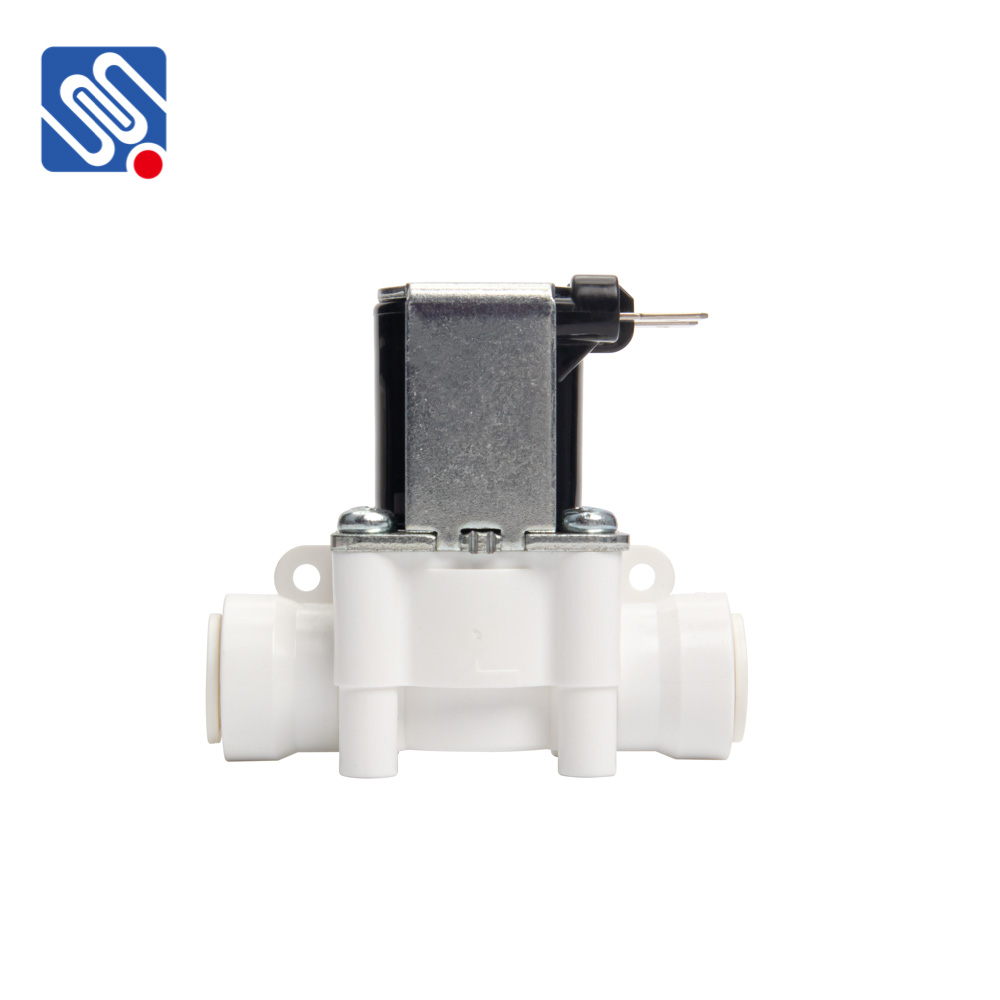
What is a Solenoid Valve? A solenoid valve is an electromechanical device used to control the flow of fluids, whether liquids or gases, within a system. Its operation is simple yet effective: when an electrical current flows through a coil, it generates a magnetic field that either opens or closes the valve, thus regulating fluid movement. Solenoid valves are available in various configurations, including normally open (NO) and normally closed (NC), and can be designed for different pressure and temperature ranges. The Role of Solenoid Valves in Filtration Systems In filtration systems, solenoid valves serve several essential functions: