In today’s industrial landscape, the efficient management of fluid systems is paramount. Among the many components that contribute to this functionality, the Filtration System Solenoid Valve stands out as a vital element. This device not only regulates the flow of liquids and gases but also ensures the purity of the substances being processed. This article delves into the workings, applications, advantages, and considerations for maintaining Filtration System Solenoid Valves.
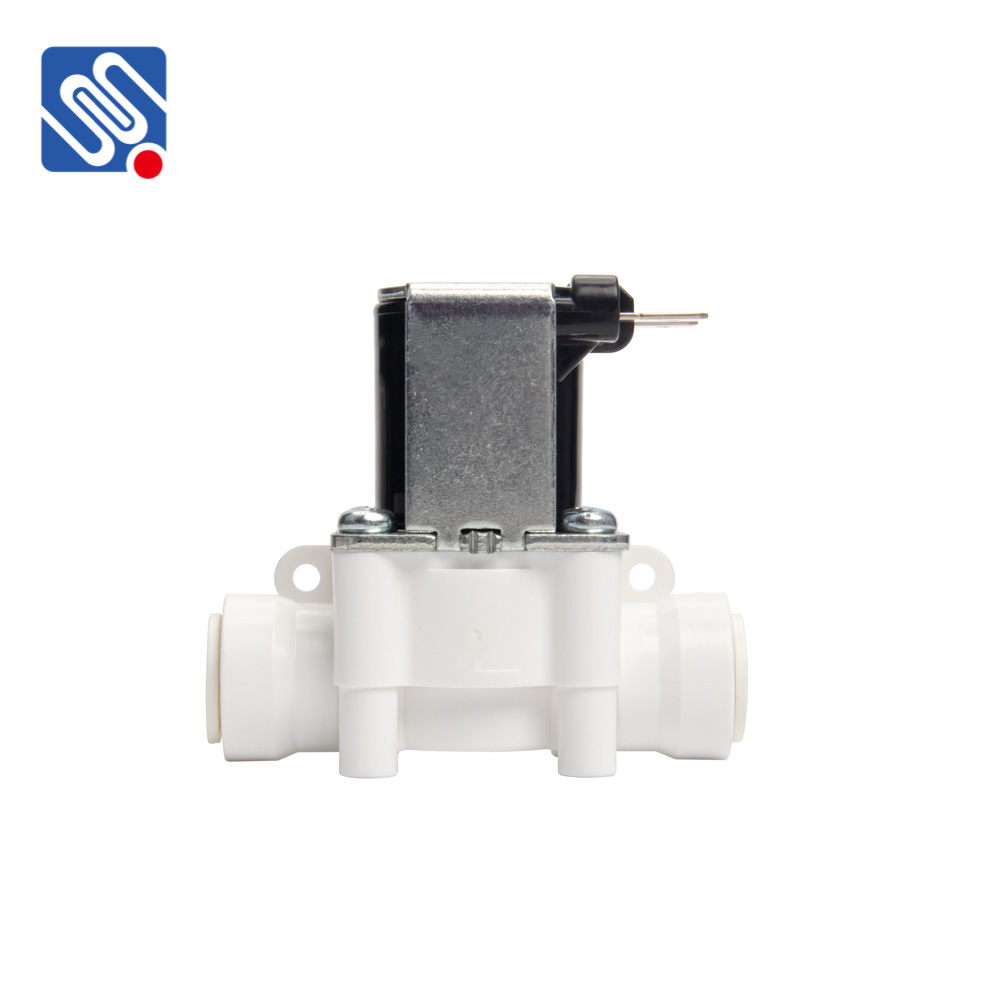
Working Principle The Filtration System Solenoid Valve operates on an electro-mechanical mechanism. Inside the valve, a coil energizes when an electric current passes through it, generating a magnetic field. This magnetic field pulls a movable plunger, opening or closing the valve as desired. There are generally two types of configurations: normally closed (NC) and normally open (NO). The NC configuration means that the valve stays closed when not powered and opens upon receiving an electrical signal. Conversely, the NO configuration is open until power is supplied, which closes the valve. This mechanism allows for rapid response times and precise control over fluid flow.