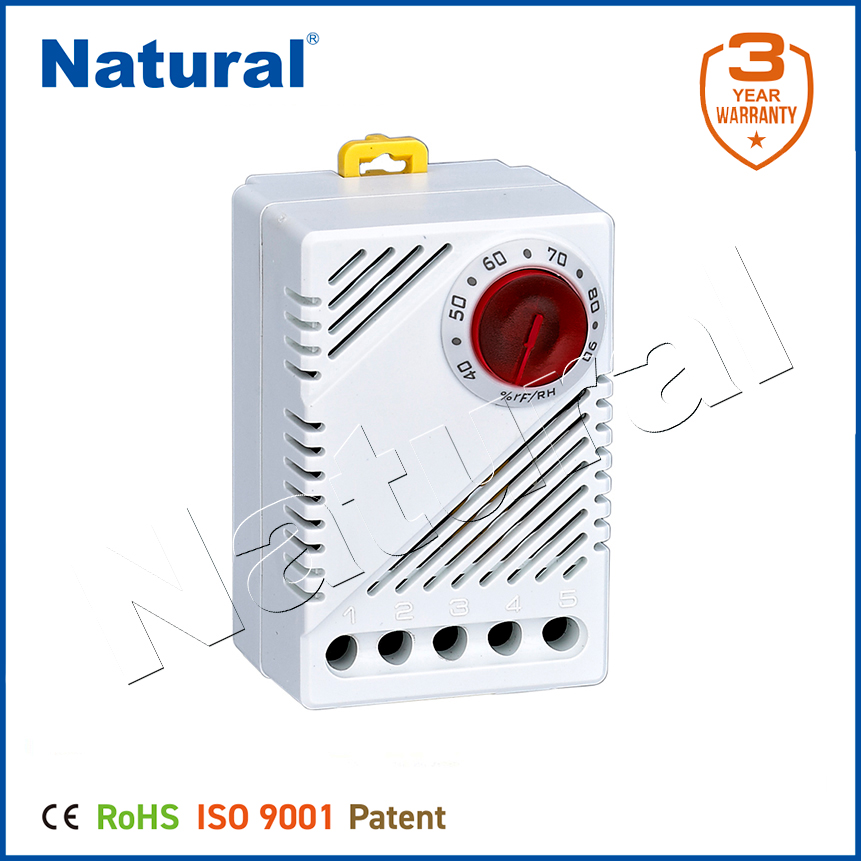
In today’s world, maintaining a comfortable and healthy indoor environment is crucial for our well-being. One of the key elements in achieving this balance is humidity. Too much moisture can lead to mold growth and structural damage, while too little can cause discomfort and health issues like dry skin and respiratory problems. This is where the electronic hygrostat steps in as a vital tool for monitoring and controlling humidity levels in various settings, from homes and offices to greenhouses and industrial spaces.
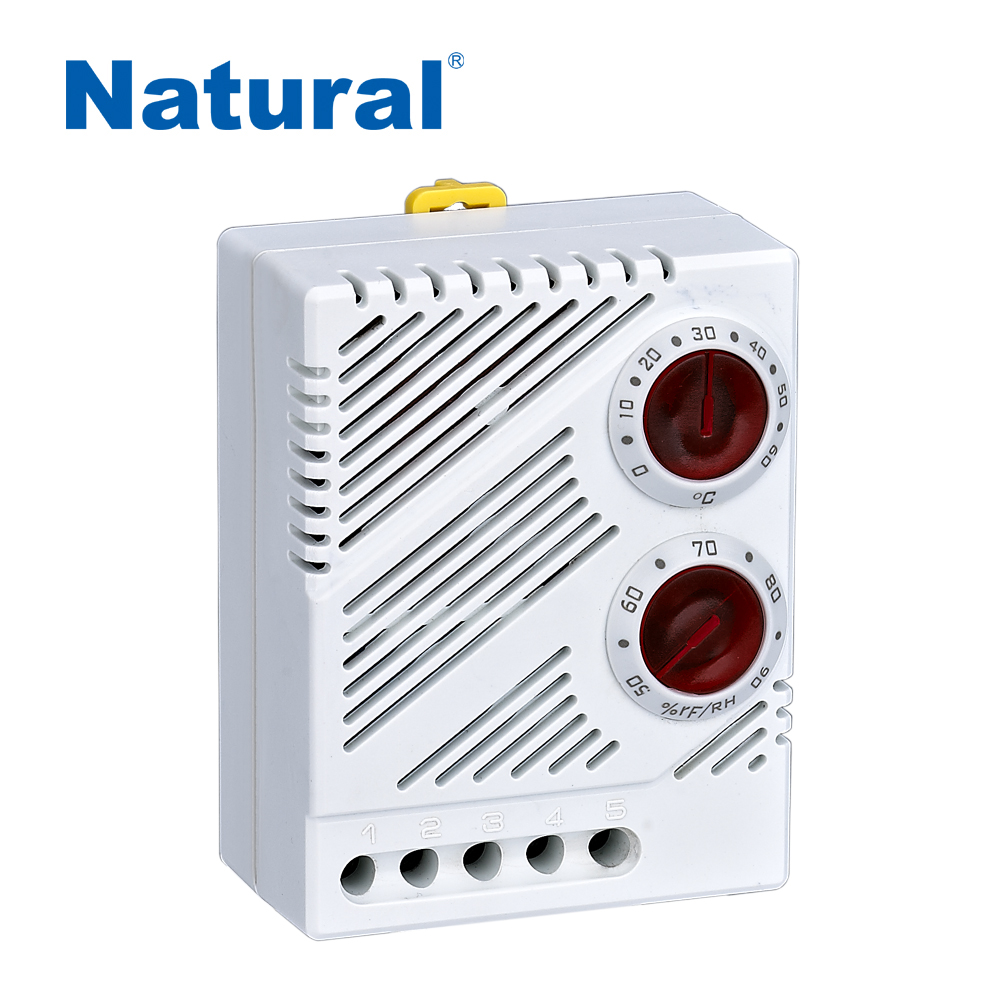
What is an Electronic Hygrostat?
An electronic hygrostat is a device designed to measure and control the relative humidity in the air. Unlike traditional mechanical hygrostats, electronic hygrostats use electronic sensors to provide more accurate and responsive measurements. These devices are capable of analyzing humidity levels in real time, allowing for precise control over humidification and dehumidification systems. How Does an Electronic Hygrostat Work? The functionality of an electronic hygrostat revolves around its main components: the humidity sensor, control circuitry, and output mechanism. Humidity Sensor: The sensor detects the level of moisture in the air and converts this measurement into an electrical signal. Modern sensors often utilize capacitive or resistive technology to ensure high accuracy and quick response times.