The electromechanical switch is a vital component in modern electronic systems, bridging mechanical interactions with electrical control. This device has persisted through technological evolution, serving as a fundamental mechanism to manage electrical circuits in a variety of applications. In this article, we will explore the principles of operation, types, applications, and advantages of electromechanical switches.
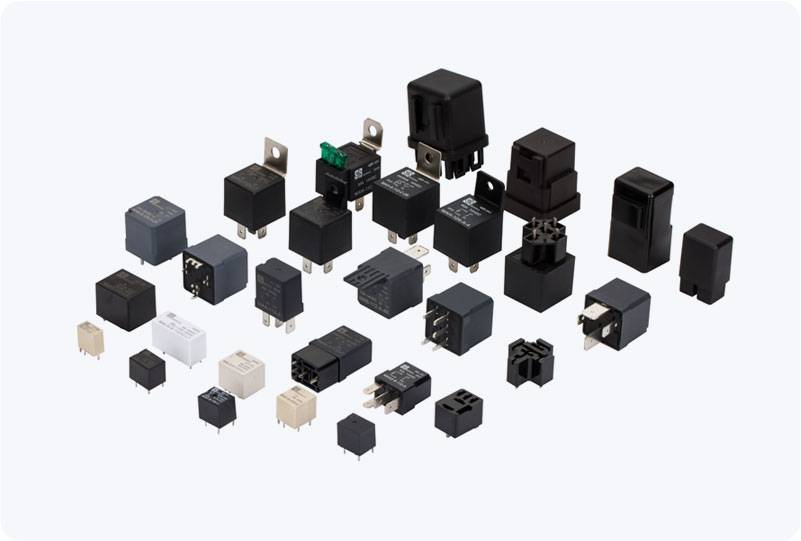
Principles of Operation Electromechanical switches operate based on a simple yet effective principle: mechanical movement controls the flow of electrical current. The core of an electromechanical switch consists of two primary components: static and moving contacts. The static contacts remain fixed in their position, while the moving contacts can be actuated through manual or automated means. When a user presses a button, flips a lever, or engages a switch, the mechanical action causes the moving contacts to touch the static contacts, completing the electrical circuit. Conversely, lifting the finger or disengaging the lever allows the moving contacts to separate from the static contacts, thereby breaking the circuit and stopping the flow of electricity. This basic on/off functionality makes electromechanical switches versatile for controlling various devices.