The Electromechanical Switch is a fundamental component that has played a pivotal role in the development of electrical and electronic systems. From simple household devices to complex industrial machines, electromechanical switches facilitate control over electrical circuits, enabling users to turn devices on or off and select different functional modes. This article delves into the intricacies of electromechanical switches, exploring their functionality, various applications, advantages, and potential limitations.
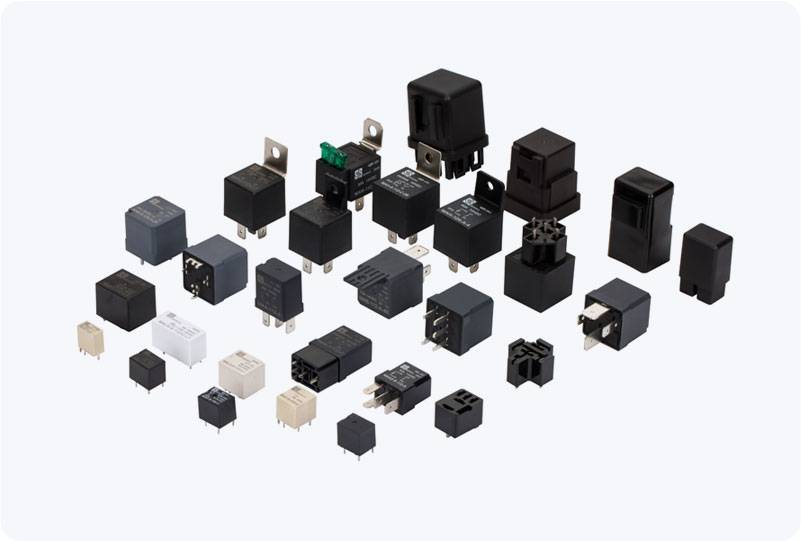
Functionality of Electromechanical Switches At its core, an electromechanical switch operates on the principle of mechanical movement to control electrical circuits. A basic electromechanical switch consists of a mechanical actuator (such as a button or lever) and at least two conductive contacts. These contacts, typically known as the normally open (NO) and normally closed (NC) contacts, determine the status of the circuit. When the actuator is engaged, it physically alters the position of the contacts. In a normally open configuration, pressing the button causes the contacts to touch, allowing current to flow through the circuit. Conversely, for a normally closed switch, the actuator lifts the contacts apart, interrupting the current flow. This physical action is both reliable and instantaneous, often favored for applications requiring a manual, tactile interaction.