An electromechanical relay (EMR) is an essential component in modern electrical and electronic systems, serving as a crucial intermediary for controlling circuits. The operation of this relay is based on the principles of electromagnetism, providing a reliable way to switch electrical devices on and off. Despite the growth of digital and solid-state technologies, electromechanical relays remain integral in many applications due to their robustness, versatility, and simplicity. This article will explore the key principles of operation, typical applications, and advantages of electromechanical relays.
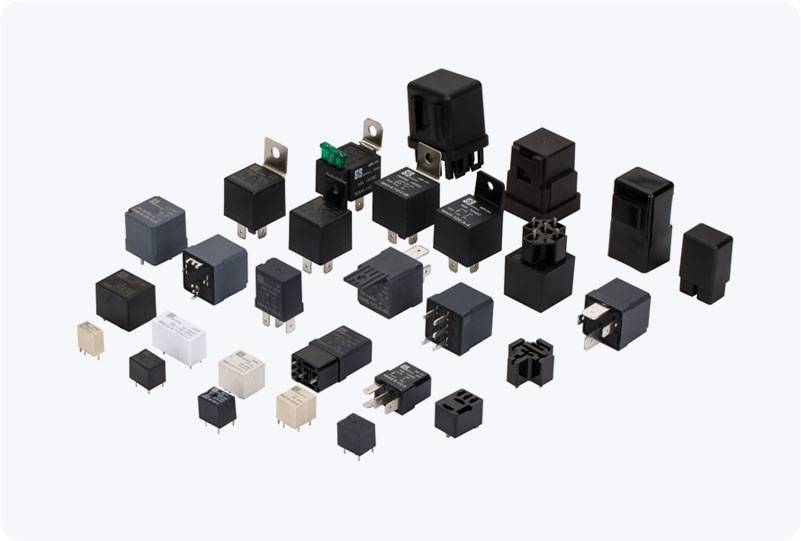
Working Principle of an Electromechanical Relay At the core of an electromechanical relay lies a basic principle: the interaction between an electric current and a magnetic field. An electromechanical relay consists of several key components: an electromagnetic coil, an armature (or iron core), contacts, and a spring mechanism. When an electric current flows through the coil, it generates a magnetic field that attracts the armature, causing it to move. This movement, in turn, activates the relay’s switch mechanism, altering the status of the relay contacts. The contacts in an electromechanical relay typically come in two states: normally open (NO) and normally closed (NC). In the NO state, the contacts remain open when the relay is unpowered, and they close when the relay is activated. Conversely, in the NC state, the contacts are closed when the relay is unpowered and open when the relay is activated. These switching actions are utilized to control other devices or circuits, either by opening or closing a path for current flow.