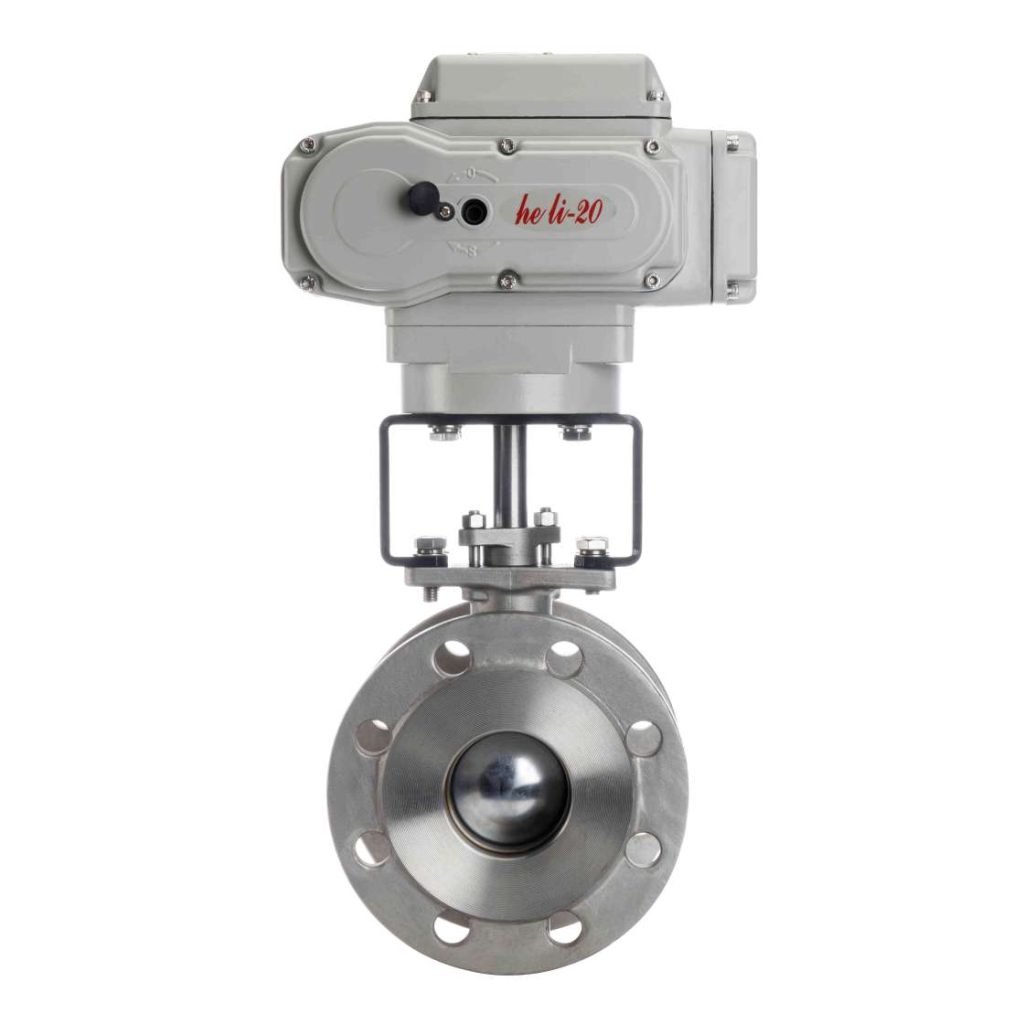
The Electric V-Ball Valve is an advanced component used in various industrial applications to control the flow of fluids with precision and efficiency. This type of valve combines the functionality of a ball valve with an electric actuator, offering superior control over fluid dynamics in different systems. Let’s delve into the core aspects of the Electric V-Ball Valve, its advantages, and its diverse applications.
Functionality
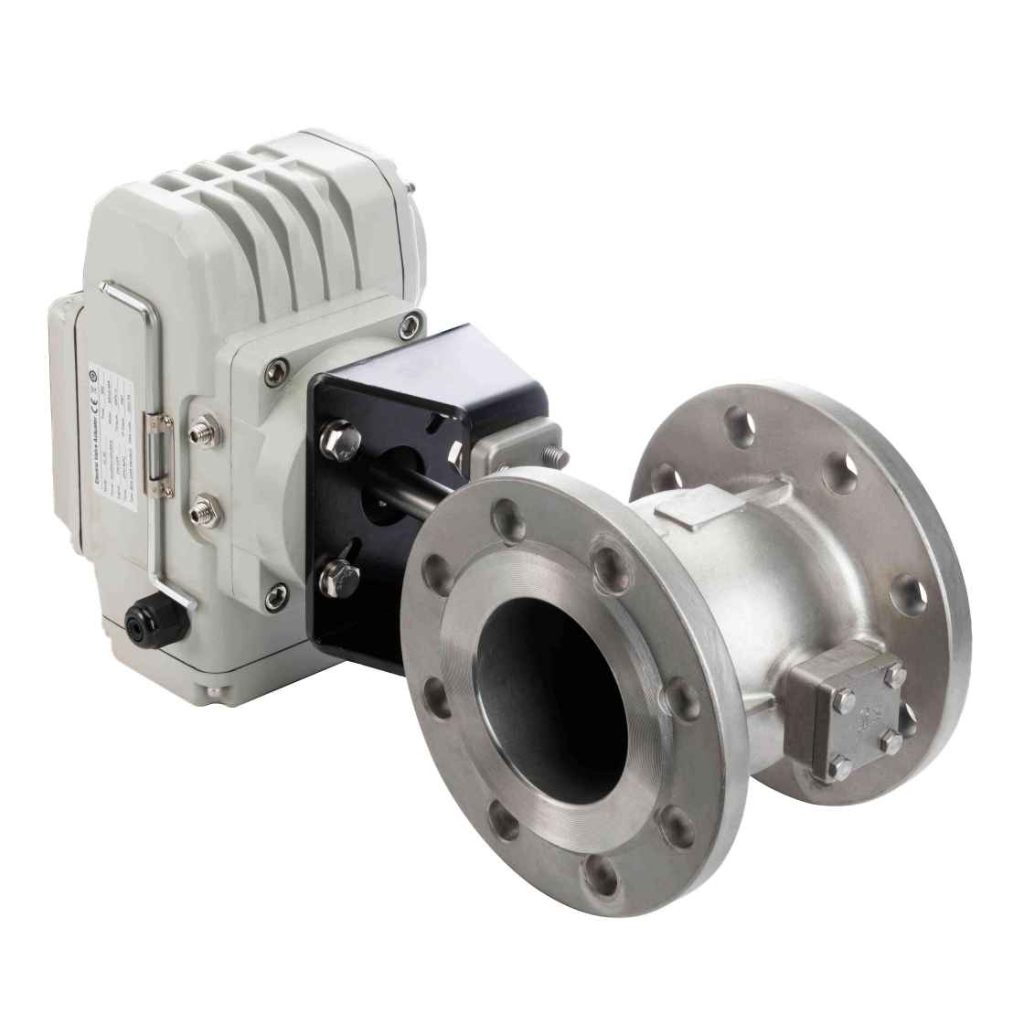
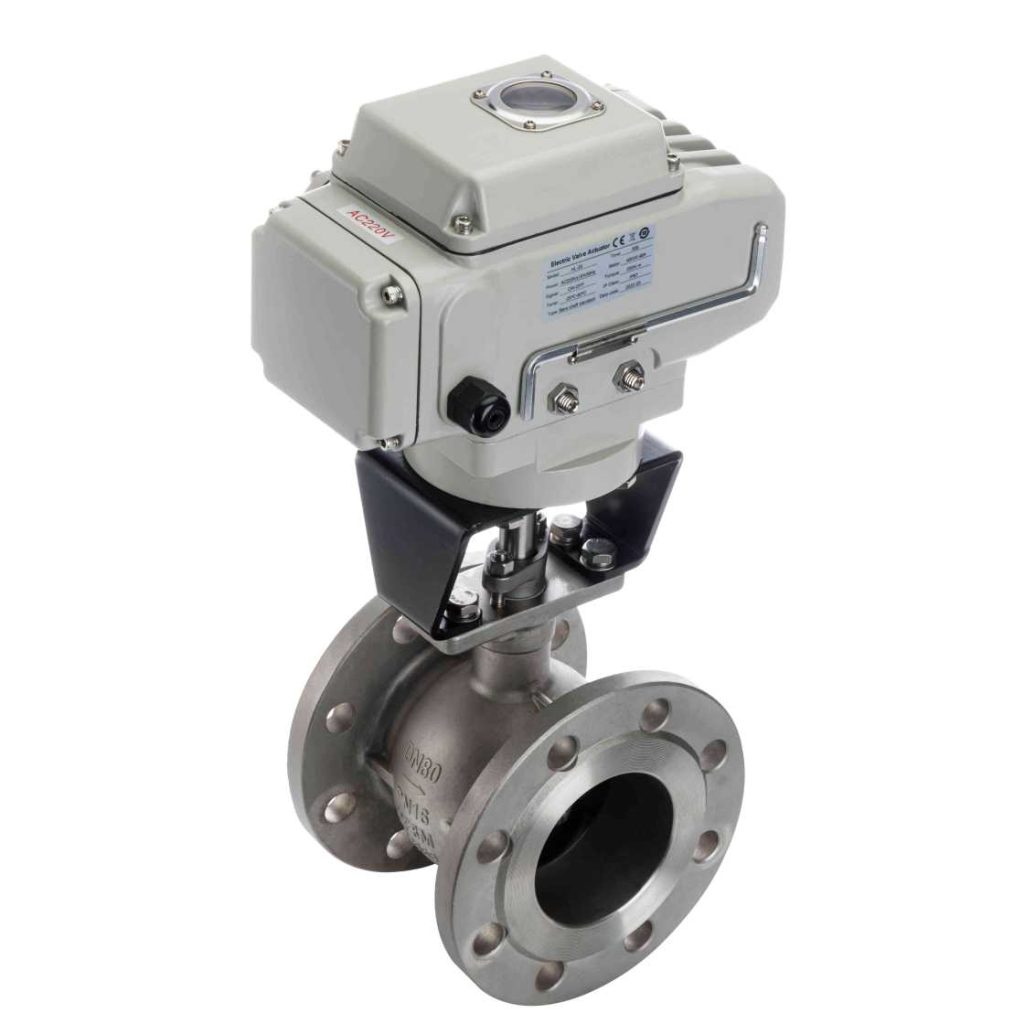
At its core, the Electric V-Ball Valve consists of a spherical ball with a V-shaped cut or slot that regulates fluid flow through the valve. The valve’s unique design allows for precise modulation of the flow rate. The electric actuator, which is mounted on the valve, provides automated control. This actuator is powered by an electric motor that adjusts the valve’s position based on the control signals it receives, making it ideal for applications requiring remote or automated operation. The V-shaped ball design enhances the valve’s performance by offering a more streamlined flow path compared to traditional ball valves. This design minimizes turbulence and pressure drop, ensuring a more efficient flow of the fluid. The electric actuator allows for accurate positioning, which is crucial for processes that depend on specific flow rates and pressures.