The Electric V-Ball Valve is an essential component in modern fluid control systems, notable for its precision and efficiency. This valve type primarily combines features from both traditional ball valves and electric actuators, offering an advanced solution for regulating fluid flow across various industrial applications. In this article, we will explore the structure, working principle, advantages, applications, selection criteria, installation guidelines, and maintenance tips for Electric V-Ball Valves.
Structure and Working Principle
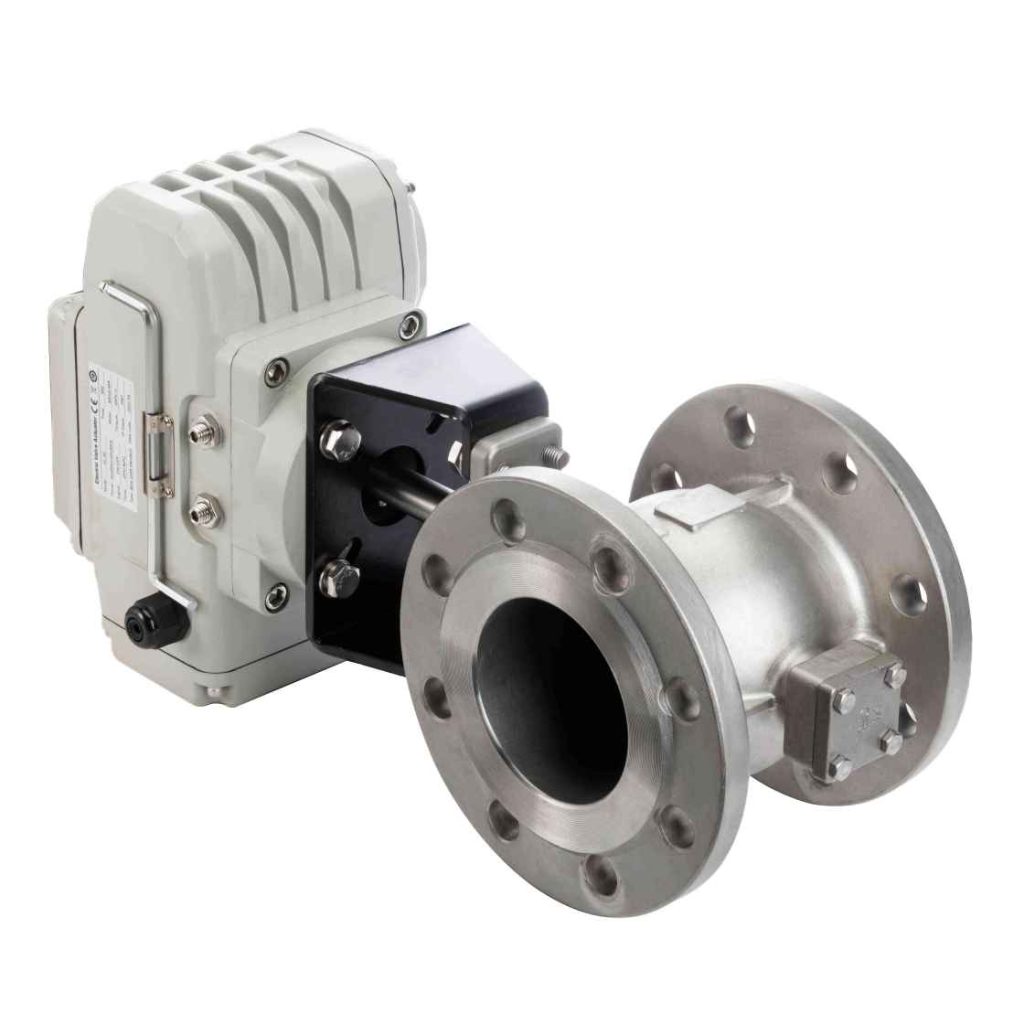
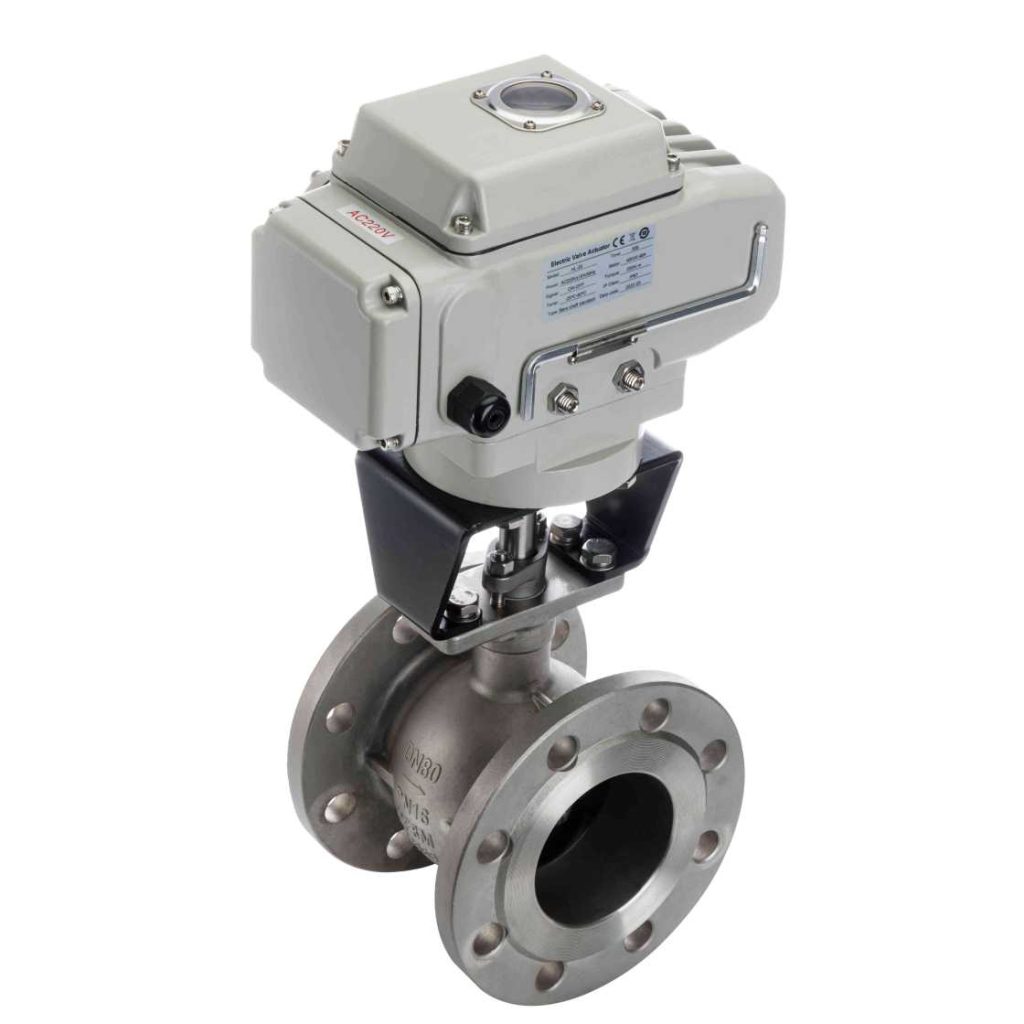
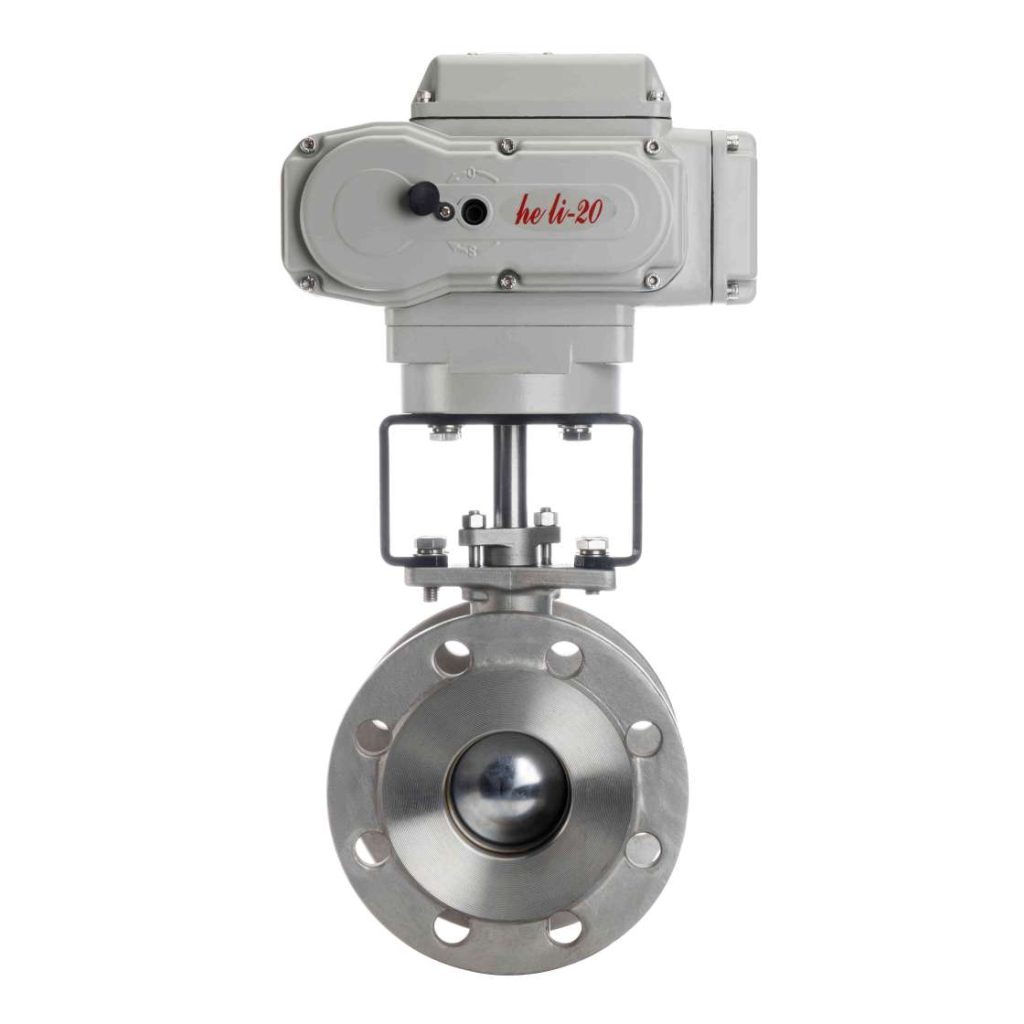
An Electric V-Ball Valve consists of three main components: the valve body, the V-shaped ball, and an electric actuator. The V-shaped cut in the ball allows for enhanced control of fluid flow, facilitating a precise regulation of flow rate throughout the valve’s operational range. The valve body, typically made from durable materials like stainless steel or PVC, is designed to withstand high-pressure and corrosive environments. The operation of an Electric V-Ball Valve is straightforward yet effective. When the electric actuator receives a signal—whether from a control system or a manual switch—it rotates the ball to either open or close the fluid pathway. The V-shaped design plays a crucial role, as it enables better flow modulation compared to a standard ball valve, especially in situations requiring partial opening or fine adjustments.
Leave a Reply