The Electric Two-Seat Regulating Valve is a crucial component widely used in various industrial applications for precise flow control of fluids, whether they are liquids or gases. This type of valve is designed to efficiently manage flow rates, ensuring optimal operational performance under varying conditions. In this article, we will delve into the functionality, applications, and benefits of the Electric Two-Seat Regulating Valve to understand why it is an essential tool in modern industrial automation.
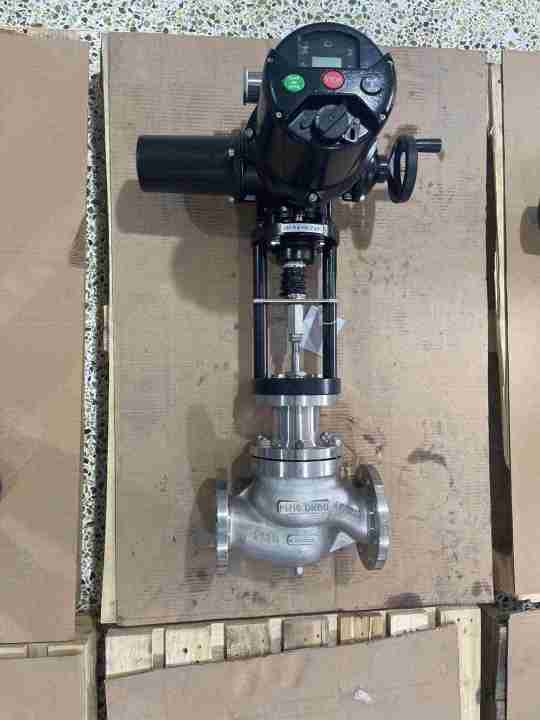
Functionality of Electric Two-Seat Regulating Valve The Electric Two-Seat Regulating Valve features a dual-seated design, which allows it to manage larger flow volumes efficiently. Unlike traditional single-seat valves, the double-seat configuration provides an increased flow area, facilitating quicker opening and closing operations. This design is particularly beneficial for industries requiring rapid adjustments and high precision in flow management. The valve is equipped with an electric actuator that receives input signals from a control system, such as a PLC (Programmable Logic Controller) or DCS (Distributed Control System). The actuator translates these signals into mechanical motion, adjusting the valve’s opening based on the control logic. This capability enables real-time adjustments, allowing for higher accuracy in achieving desired flow rates, pressures, and temperatures.