The Electric Two-Seat Regulating Valve is an essential component in industrial automation systems, playing a critical role in the regulation of fluid flow, pressure, and temperature. Its unique design, which incorporates two seats for the valve plug, makes it a preferred choice for demanding high-pressure applications. In this article, we will explore the structure, working principle, applications, and advantages of this valve type, as well as its limitations.
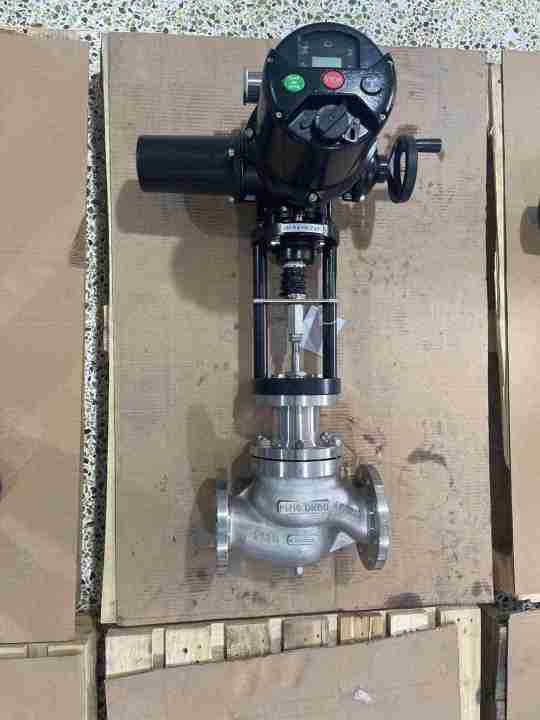
What is an Electric Two-Seat Regulating Valve? An Electric Two-Seat Regulating Valve is a valve that uses an electric actuator to control the movement of a valve plug, which in turn regulates the flow of fluid through the valve. The “two-seat” design refers to the valve’s use of two seats that help balance the force exerted by the fluid on the valve plug, reducing wear and tear and improving its durability. The valve is particularly known for its ability to control large flow rates and operate under high-pressure conditions, making it suitable for a variety of industrial sectors. The electric actuator is responsible for adjusting the valve’s position based on control signals, such as 4-20mA or 0-10V. This allows for precise, continuous flow control, unlike simple on/off valves, which provide limited control over fluid movement.
Leave a Reply