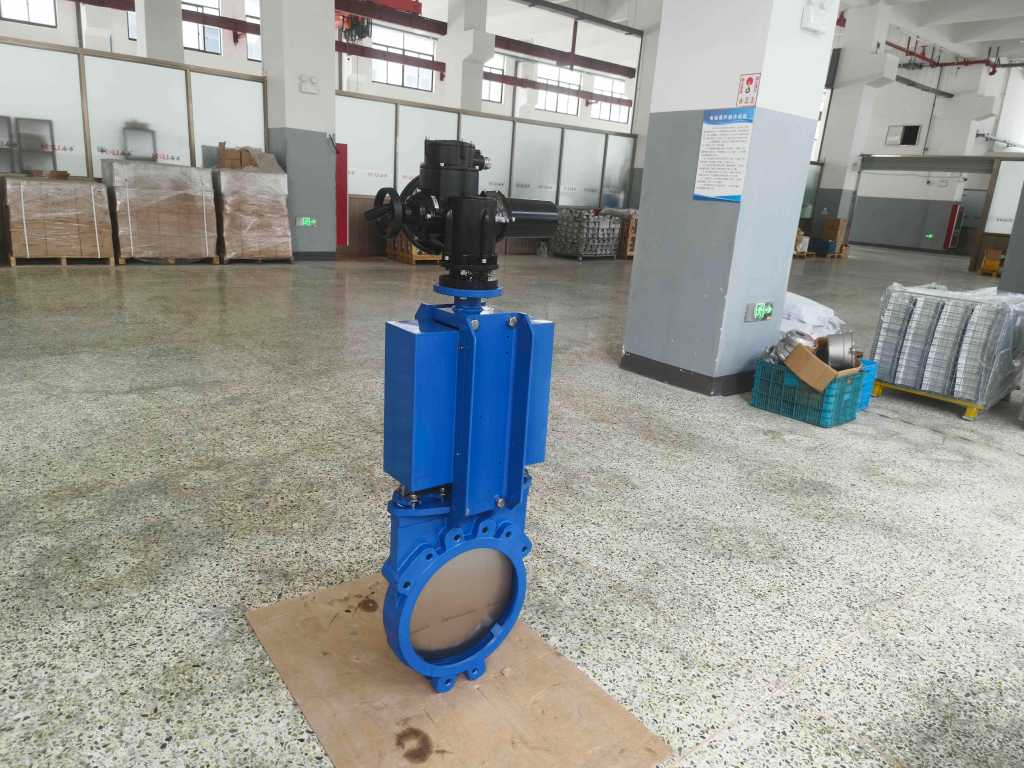
In the realm of fluid control, valves play a pivotal role in managing the flow of liquids and gases within various systems. Among the many types of valves utilized in industrial and municipal environments, the electric flat gate valve stands out for its efficiency and reliability. This article delves into the characteristics, operational mechanisms, advantages, disadvantages, and applications of the electric flat gate valve.
What is an Electric Flat Gate Valve?
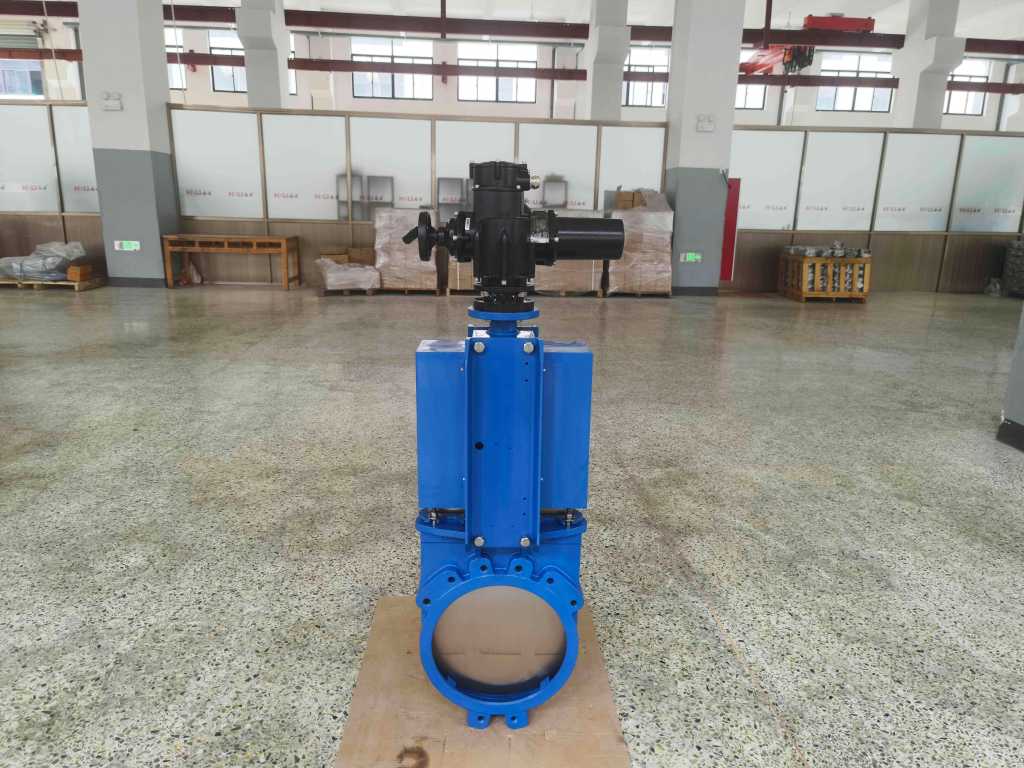
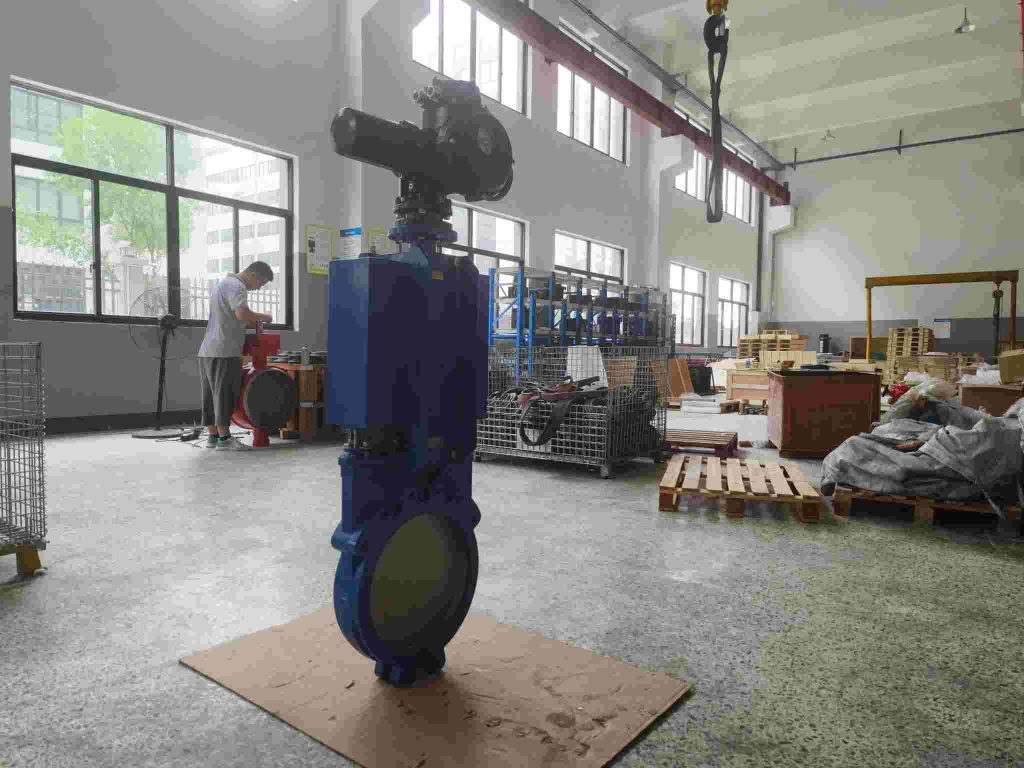
An electric flat gate valve is a type of valve that features a flat, moving disc (the gate) which is lifted or lowered to control the flow of fluid through the piping system. The term “electric” indicates that the valve’s operation is powered by an electric actuator. This combination enables precise control over fluid flow with minimal resistance, making it ideal for high-capacity applications. Design and Construction The primary components of an electric flat gate valve include the valve body, the gate, an electric actuator, and the seals. The valve body is typically crafted from resilient materials such as stainless steel, carbon steel, or alloys, depending on the nature of the fluid and environmental conditions. The flat gate design reduces turbulence and allows for smooth flow, while the electric actuator translates electrical signals into mechanical movement, providing precise control over the gate’s position.