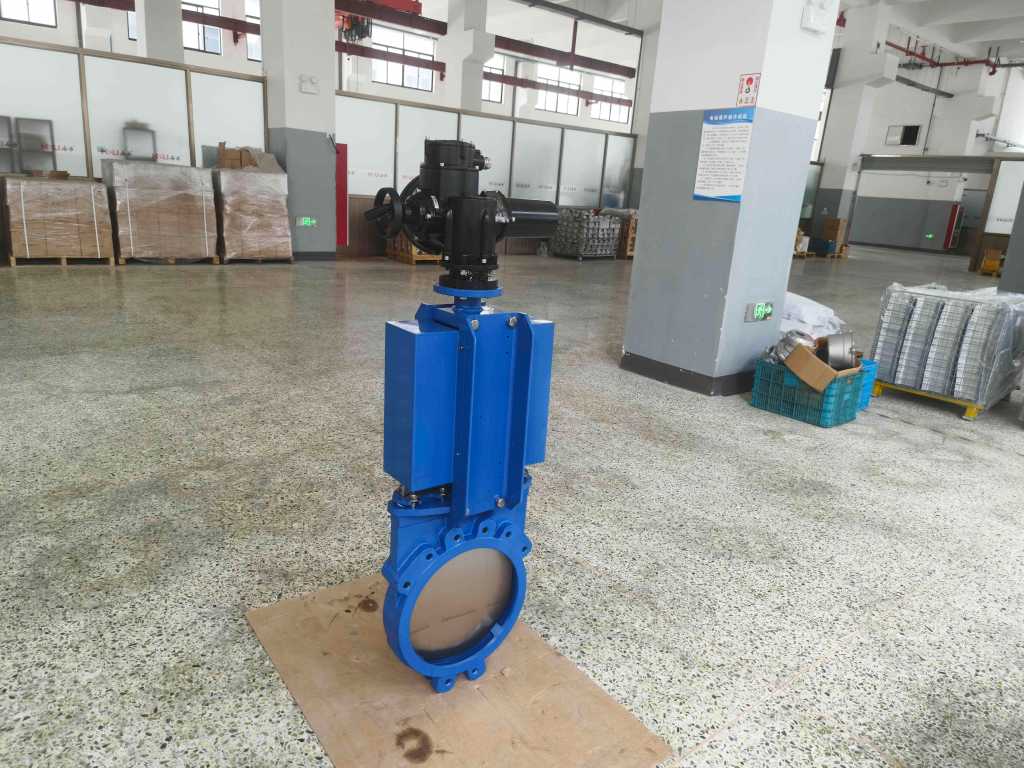
The electric flat gate valve is a pivotal component in modern fluid control systems, ensuring efficient management of various liquids and gases in industrial applications. As industries continue to evolve and require more sophisticated solutions for fluid control, the electric flat gate valve stands out due to its unique designs, operational efficiency, and automation capabilities. This article delves into the structure, functionality, advantages, applications, and maintenance considerations of electric flat gate valves.
Structure and Functionality
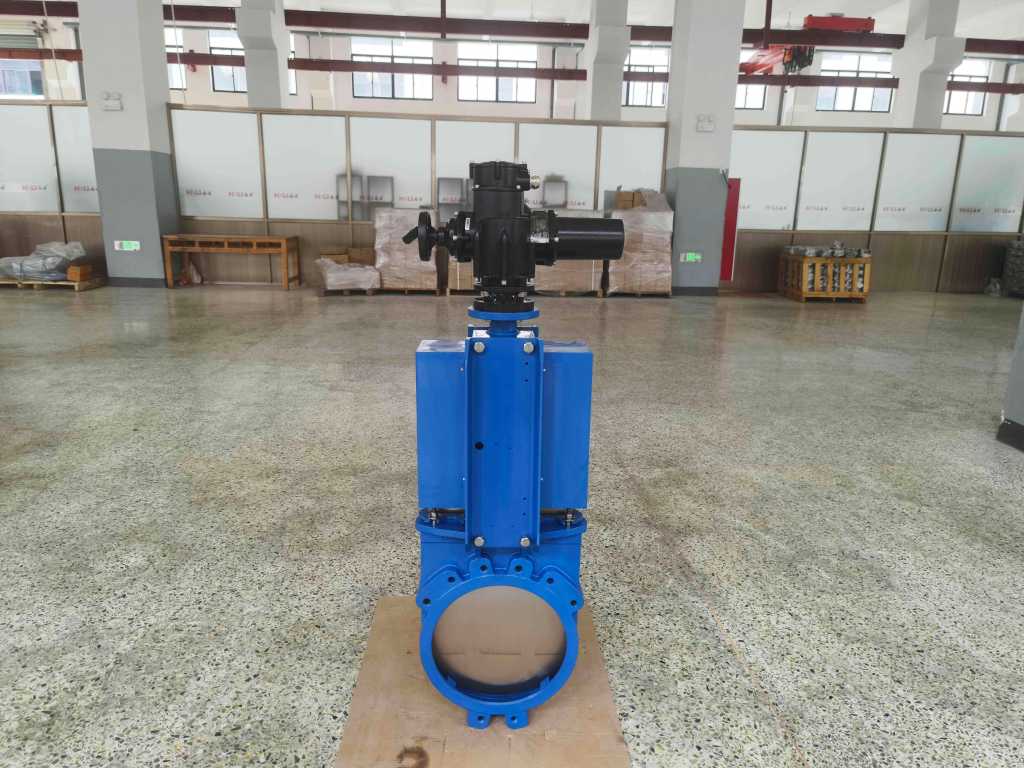
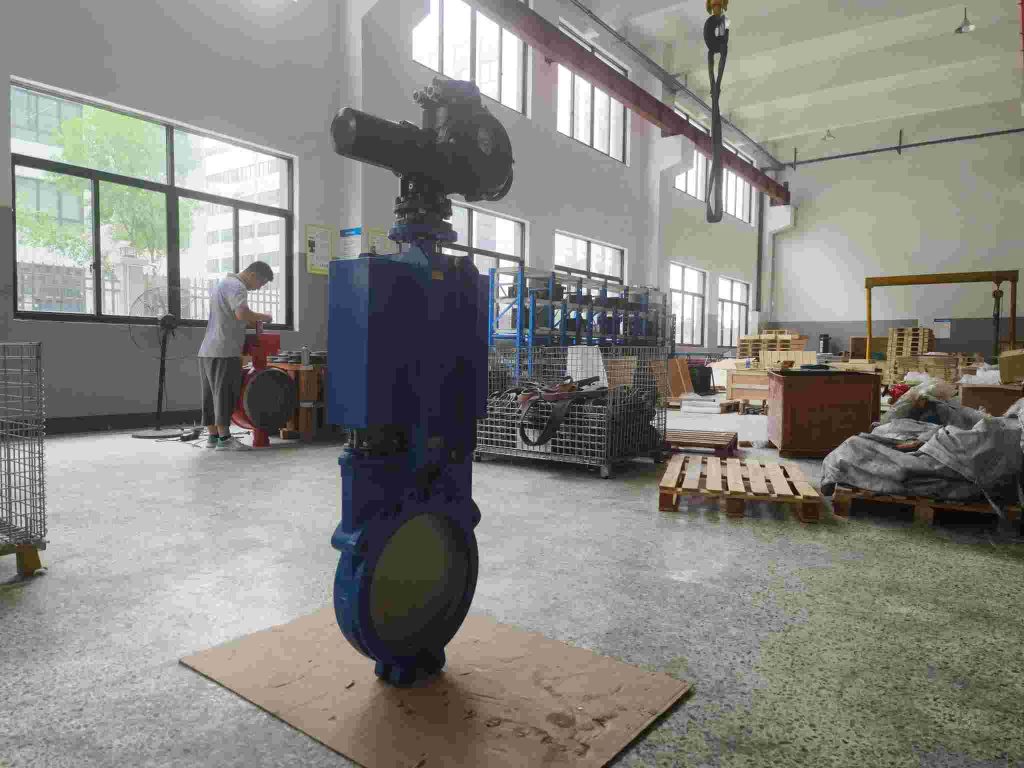
An electric flat gate valve typically comprises several key components: the valve body, the gate or disc, electric actuator, and control system. The valve body houses the flow passage, while the gate is the movable element responsible for permitting or obstructing fluid flow. The electric actuator, powered by an electrical supply, enables the automatic opening and closing of the valve based on received signals from control systems. When the electric actuator receives a command, it drives the gate vertically. In its fully open position, the gate allows fluid to flow unobstructed; conversely, when fully closed, it prevents flow entirely. This simple yet effective mechanism underlines the importance of the electric flat gate valve in various applications, from water treatment plants to advanced industrial processes.