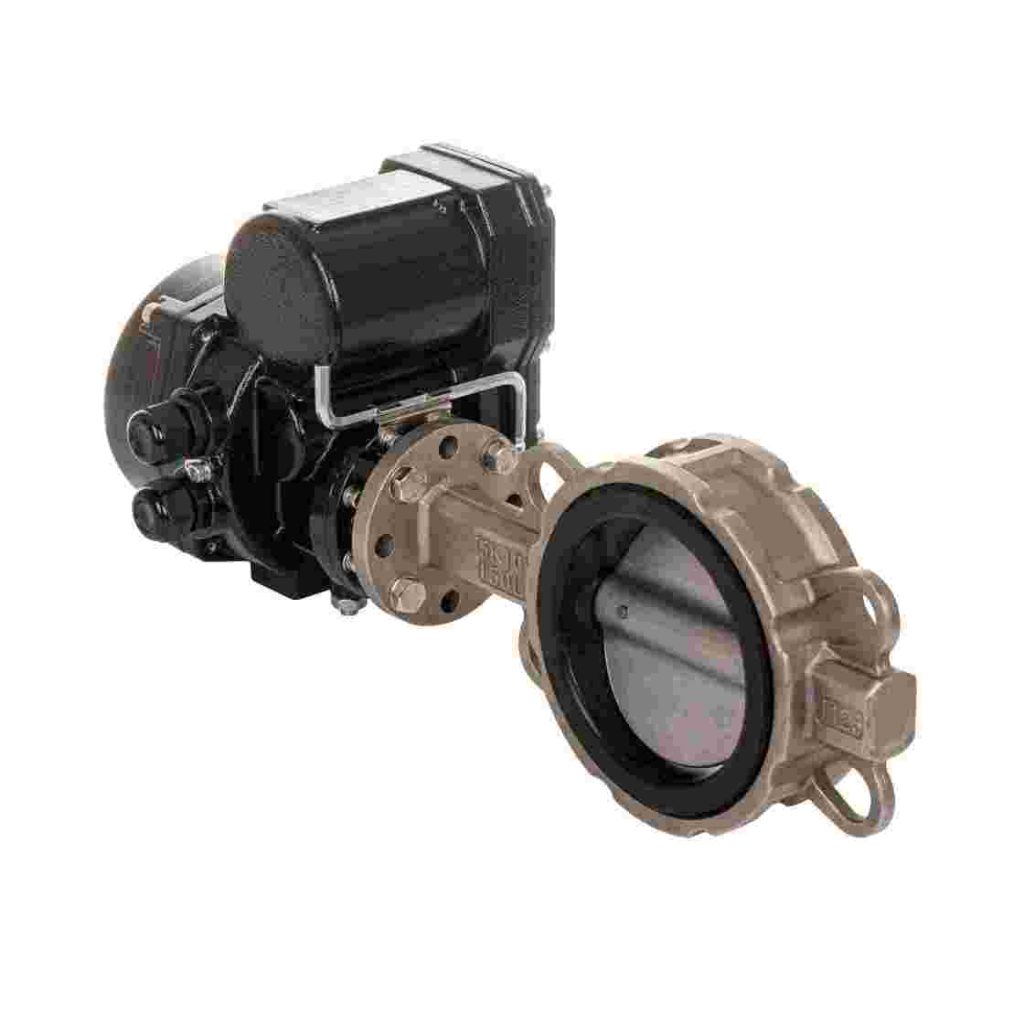
The demand for efficient and reliable flow control systems in industrial applications has led to the widespread use of various types of valves. One of the prominent types is the Electric Flanged Soft Seal Butterfly Valve. This valve design combines the advantages of an electric actuator with a soft-sealing mechanism to provide a highly effective solution for managing fluid flows in numerous settings. In this article, we will explore the features, advantages, and applications of the Electric Flanged Soft Seal Butterfly Valve.
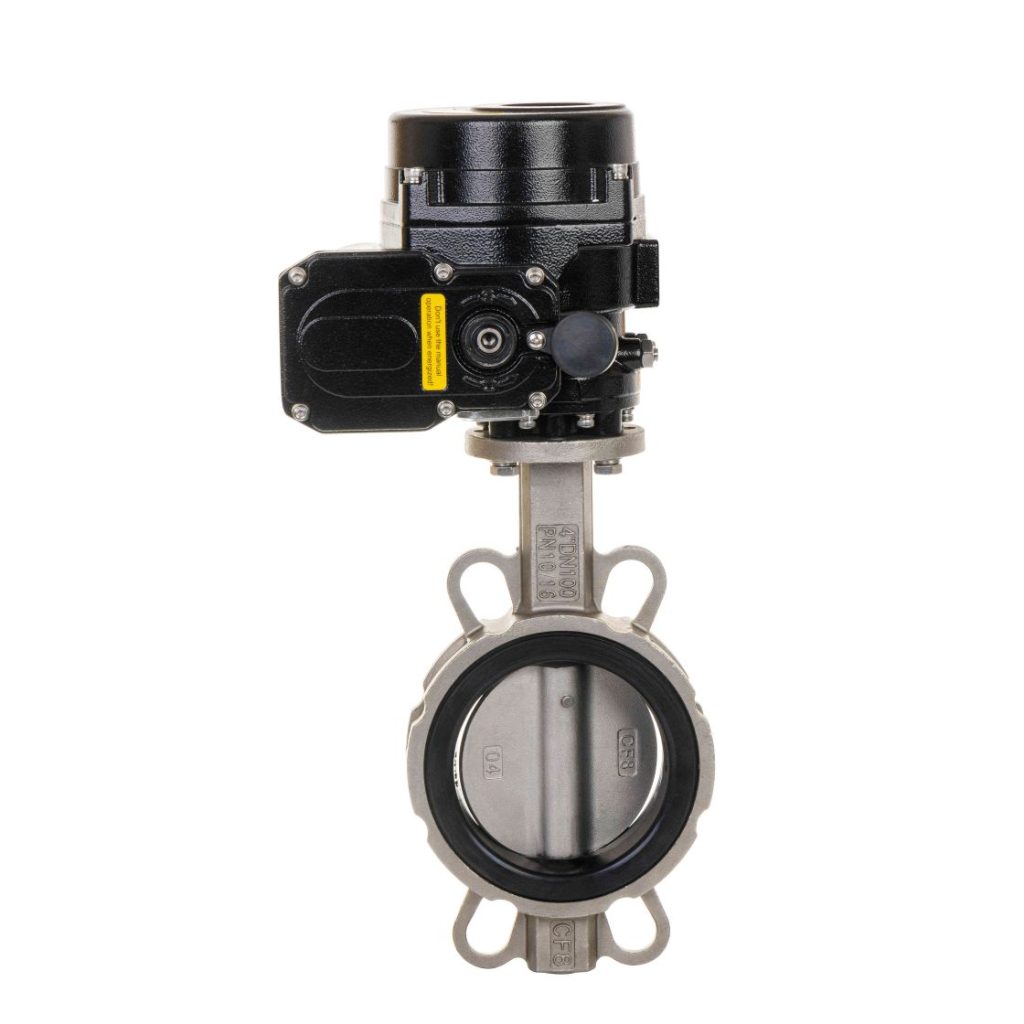
Design and Structure
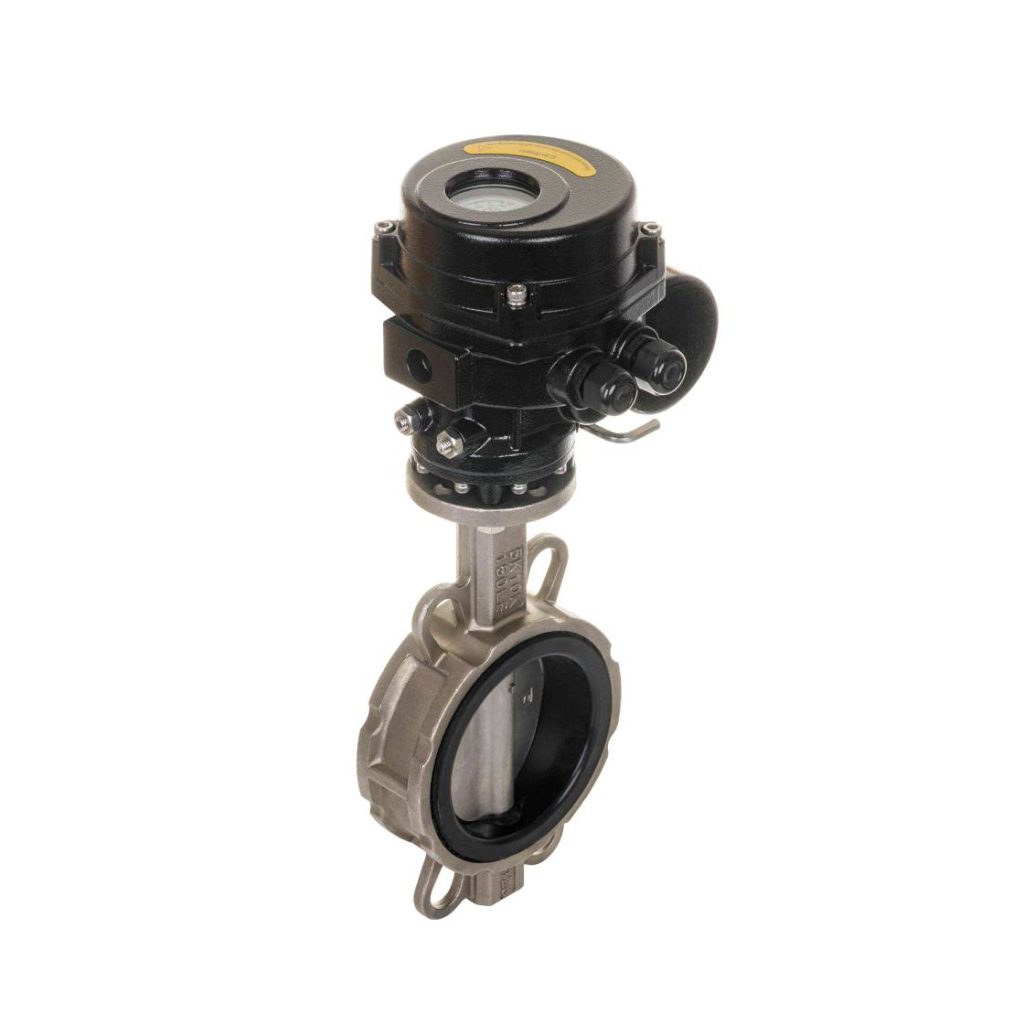
At its core, the Electric Flanged Soft Seal Butterfly Valve comprises several key components: the valve body, the disc (or butterfly), the soft seal, and the electric actuator. The valve body can be constructed from various materials such as carbon steel, stainless steel, or cast iron, depending on the application’s requirements. This robust construction ensures that the valve withstands high pressure and corrosive environments. The butterfly, which is the key component controlling the flow, is usually disc-shaped and can rotate about a horizontal axis. Unlike metal-seated valves, the Electric Flanged Soft Seal Butterfly Valve incorporates a soft sealing material, usually made from EPDM (Ethylene Propylene Diene Monomer), NBR (Nitrile Butadiene Rubber), or other flexible materials. This soft seal allows for excellent sealing capabilities, preventing leaks when the valve is closed.