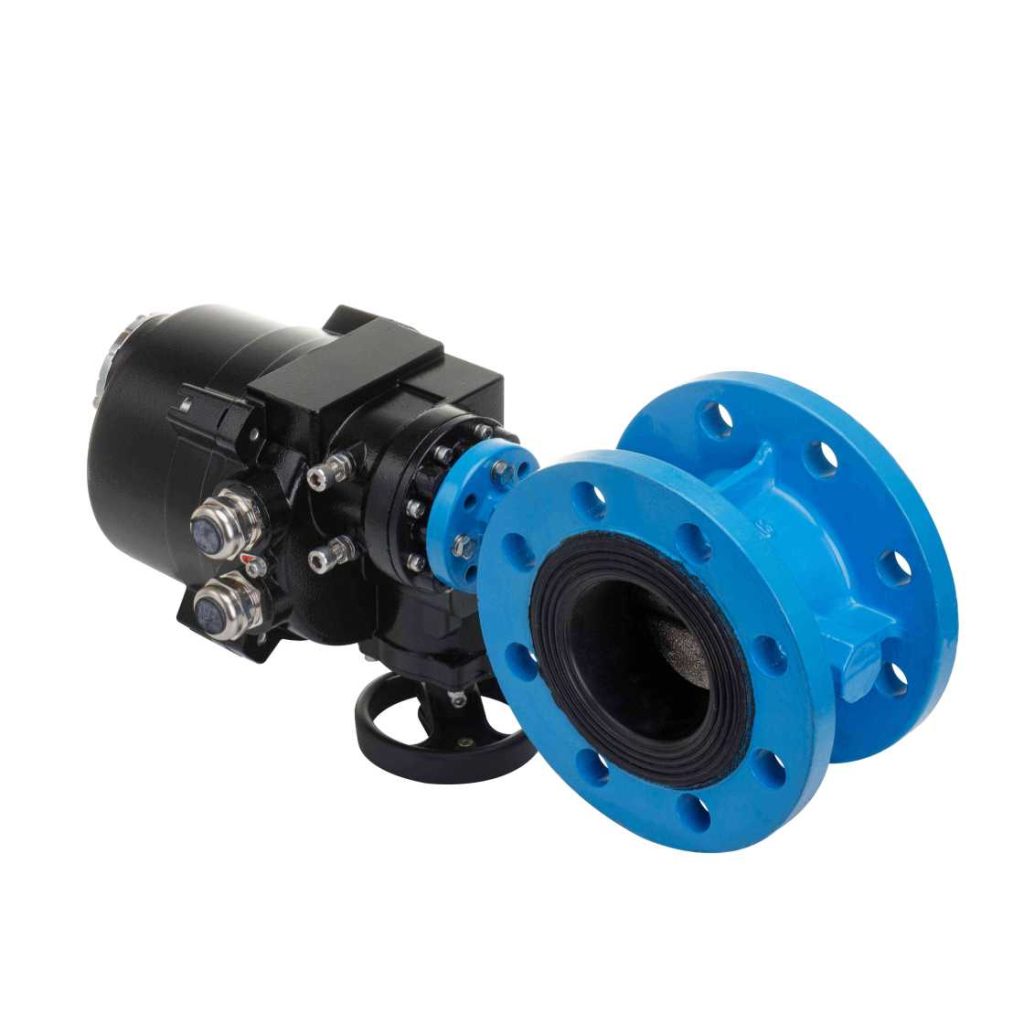
The Electric Flanged Butterfly Valve is an essential component in the field of fluid and gas control systems. Its design combines the efficiency of a butterfly valve with the convenience of electric actuation, offering several advantages in automated and remote-controlled applications. These valves are widely used across industries such as water treatment, HVAC systems, food and beverage production, and chemical processing. In this article, we will explore the key features, benefits, and common applications of the Electric Flanged Butterfly Valve.
What is an Electric Flanged Butterfly Valve?
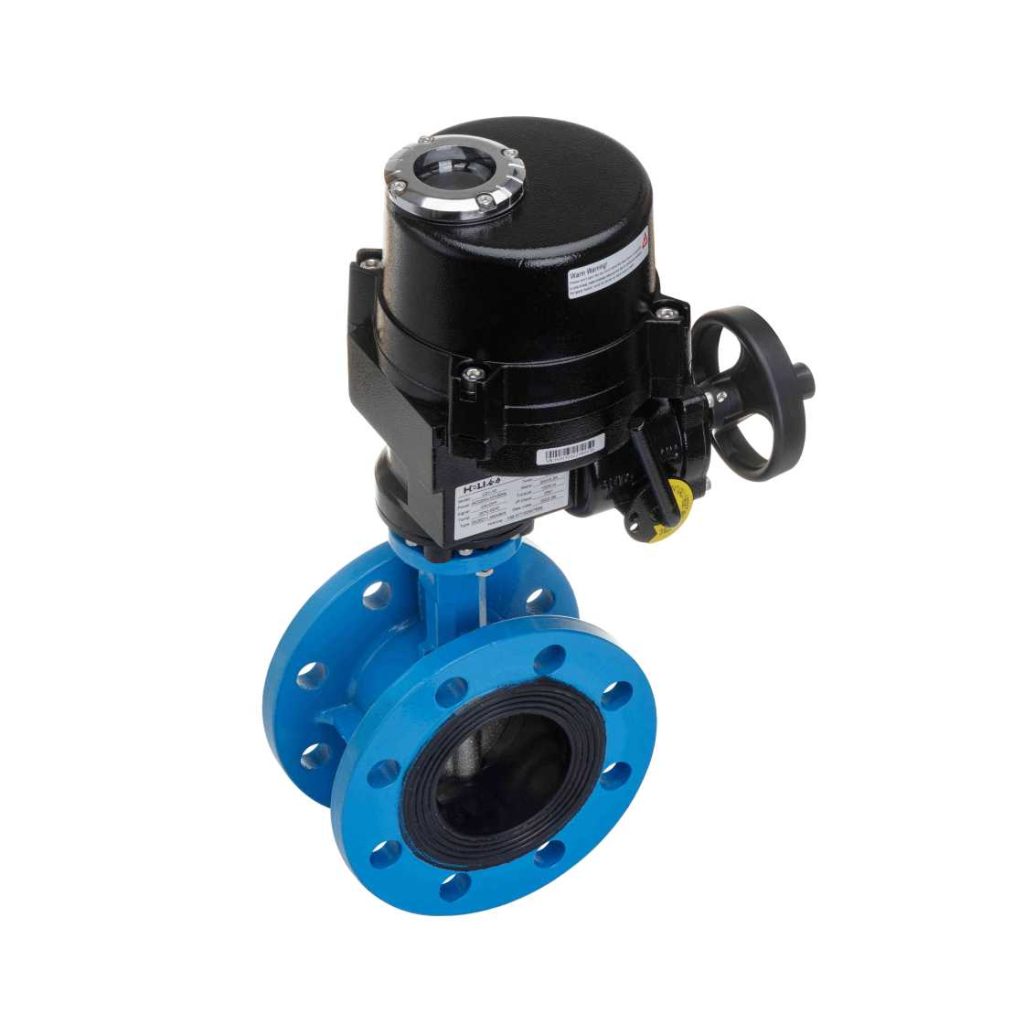
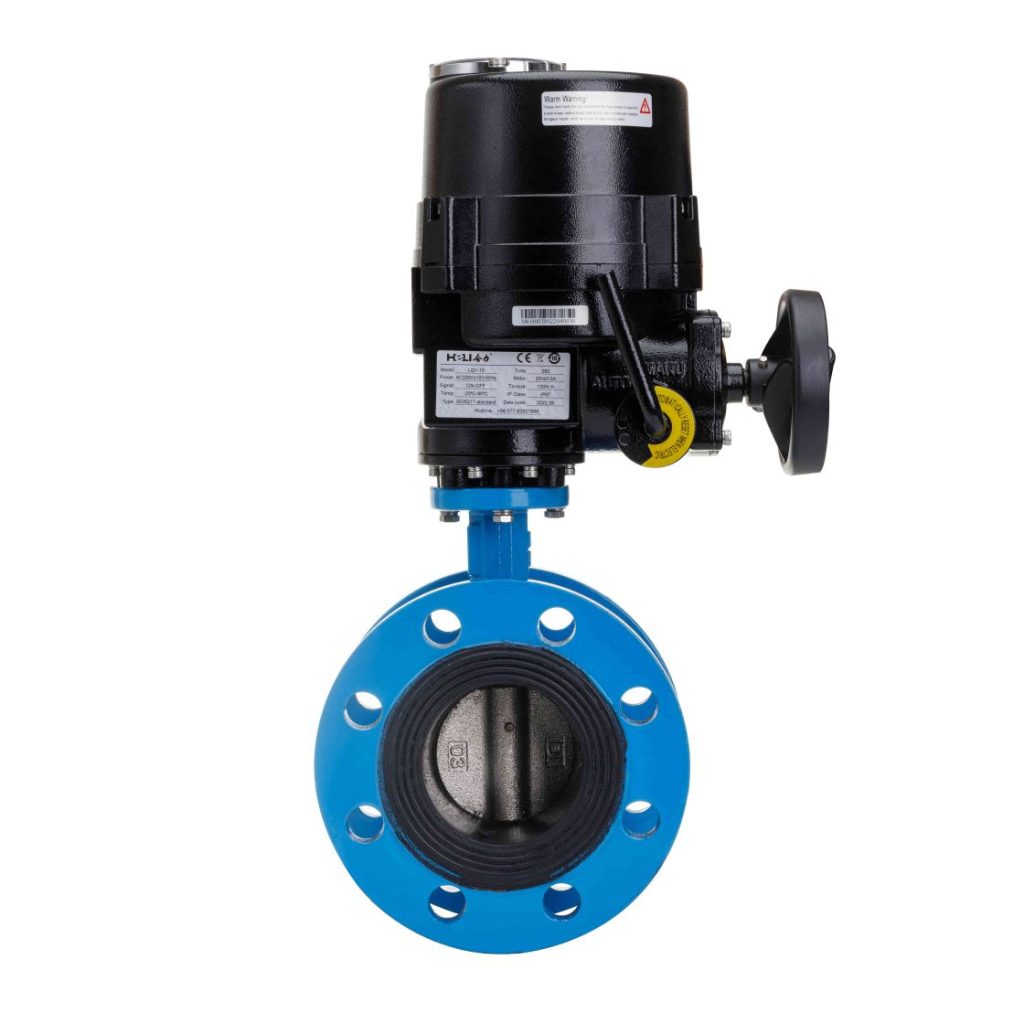
A butterfly valve operates by rotating a disc inside the valve body to control the flow of fluids or gases. In the case of the electric flanged butterfly valve, an electric actuator replaces the manual effort typically required to turn the valve. The actuator is controlled remotely, allowing for precise adjustments in flow without the need for on-site intervention. The “flanged” part of the name refers to the valve’s design, which includes flanged ends that are bolted to the pipeline, providing a secure and leak-proof connection. Key Features of the Electric Flanged Butterfly Valve Flanged Design for Easy Installation: The electric flanged butterfly valve is designed with flanged connections, which makes installation quick and secure. Flanges are typically bolted directly to the pipe, allowing for a strong and leak-free seal. This connection style is common in industrial applications where ease of maintenance and installation is essential.