The Electric Flanged Butterfly Valve is an essential component in modern industrial systems, providing a reliable and efficient method for controlling the flow of various fluids. Widely used across numerous industries, from water treatment plants to chemical processing and HVAC systems, this valve combines the robust features of a butterfly valve with the convenience of electric actuation. In this article, we will delve into the structure, working principles, applications, and benefits of the Electric Flanged Butterfly Valve, highlighting why it has become a preferred choice in industrial fluid control.
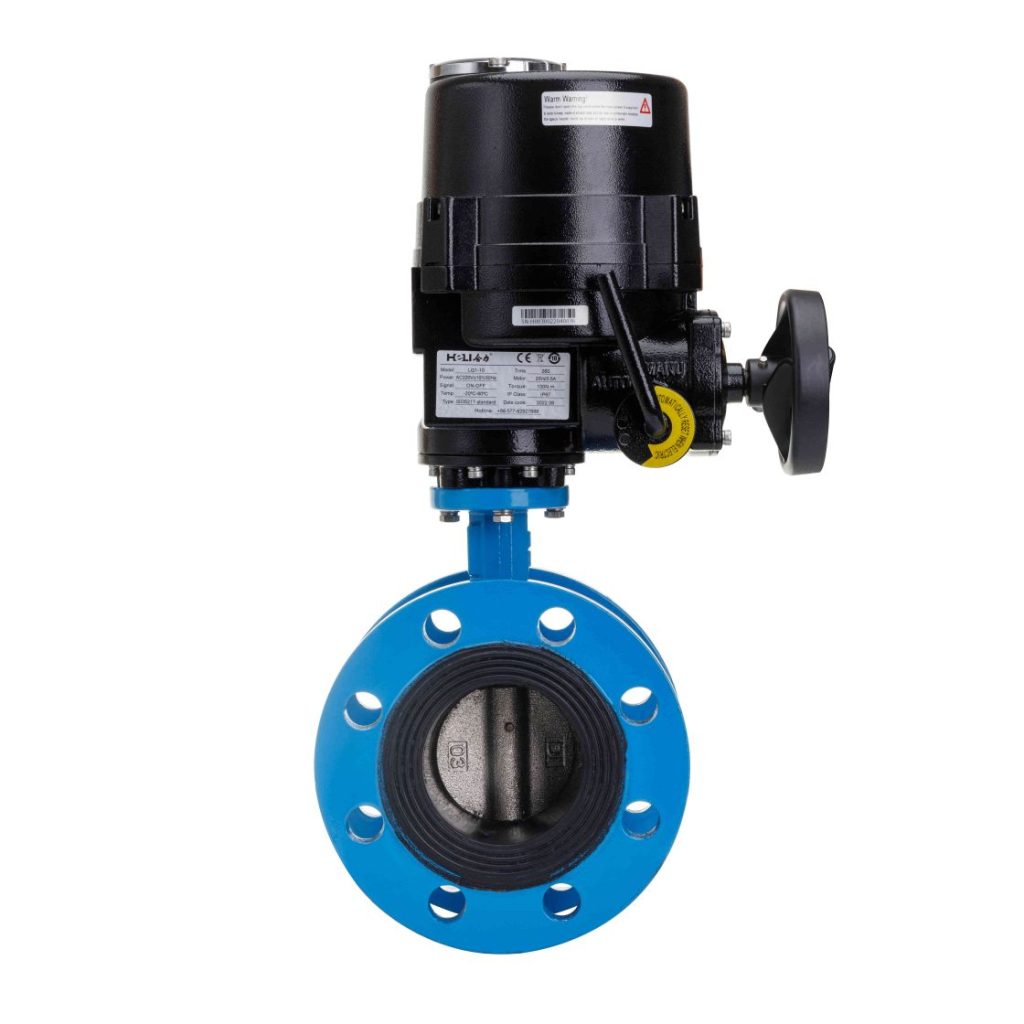
What is an Electric Flanged Butterfly Valve?

At its core, an Electric Flanged Butterfly Valve is a quarter-turn valve designed to regulate fluid flow by adjusting the position of a disc or “butterfly” within the valve body. The valve’s key feature is the use of an electric actuator to control its opening and closing, making it ideal for automated systems where remote operation and precise control are required. The “flanged” aspect of the valve refers to the flange connections on either side of the valve body. These flanges allow the valve to be easily connected to pipelines using bolts, ensuring a secure and leak-tight seal. The electric actuator, which drives the valve mechanism, provides the necessary force to rotate the valve disc, offering smooth and precise control over the flow.
