The Electric Flanged Butterfly Valve is an essential component widely used in industrial applications for controlling the flow of various fluids, including liquids, gases, and steam. Known for its simple structure, reliability, and ease of operation, this valve type is a popular choice across multiple sectors such as water treatment, chemicals, energy, and more. This article provides an in-depth exploration of the electric flanged butterfly valve, focusing on its design, advantages, applications, and the factors to consider when selecting one for specific industrial uses.

What is an Electric Flanged Butterfly Valve?
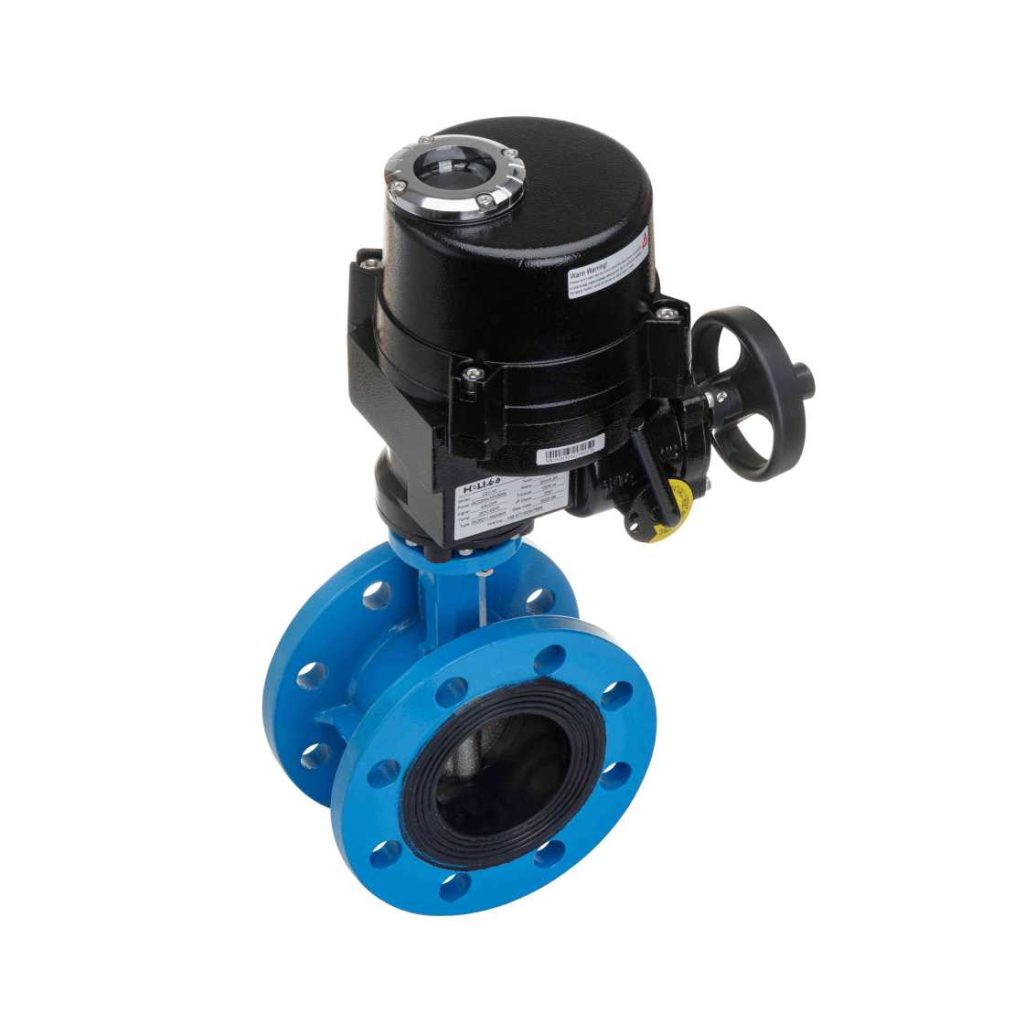
An electric flanged butterfly valve is a type of valve that consists of a circular disc (the butterfly) that rotates around an axis to control the flow of fluid through a pipe. The electric actuator is responsible for controlling the opening and closing of the butterfly, making it suitable for remote operation in industrial processes where automated control is necessary. The “flanged” aspect refers to the valve’s connection to the pipe, which is achieved via flanged ends that match the pipe’s flange holes, ensuring a secure and leak-proof seal. How Does it Work? The electric flanged butterfly valve operates through a simple mechanism. When the electric actuator receives a signal, it moves the valve’s stem, which is connected to the butterfly disc. As the actuator rotates, it turns the disc to either open or close the valve. In the open position, the disc aligns with the flow path, allowing the fluid to pass through. In the closed position, the disc blocks the flow, stopping the fluid from continuing down the pipeline. The valve can be positioned anywhere in between, allowing for partial flow regulation.
