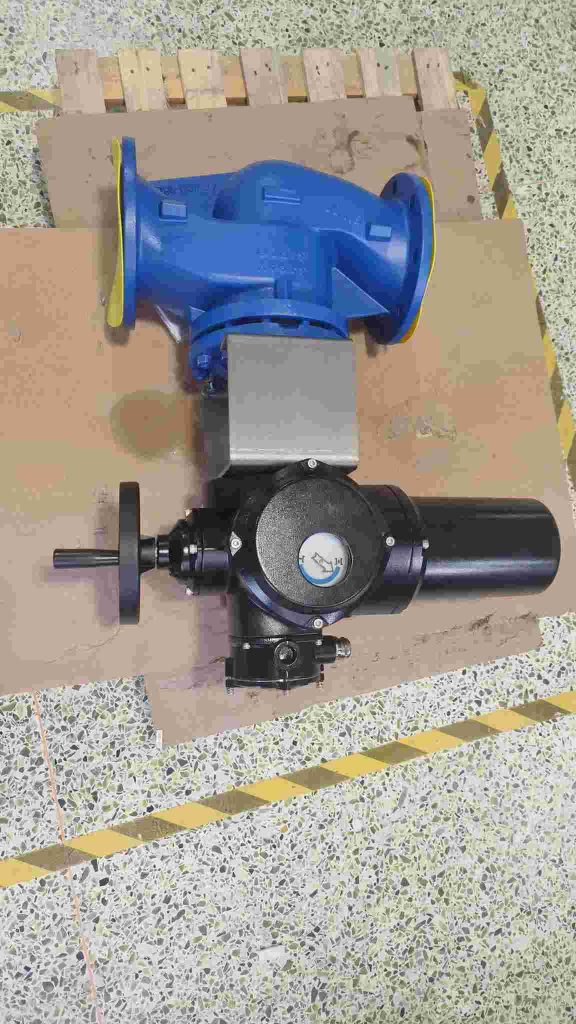
An electric bellows stop valve is an essential component in various industrial and commercial applications where fluid or gas control is critical. This valve is designed to manage the flow of substances through pipes, ensuring that they only pass through when necessary and under the right conditions. The integration of an electric actuator with a bellows seal creates a highly effective and reliable device for controlling pressure, temperature, and flow rate, with a focus on maintaining tight seals to prevent leakage. In this article, we will explore the workings, advantages, and applications of electric bellows stop valves.
What is an Electric Bellows Stop Valve?
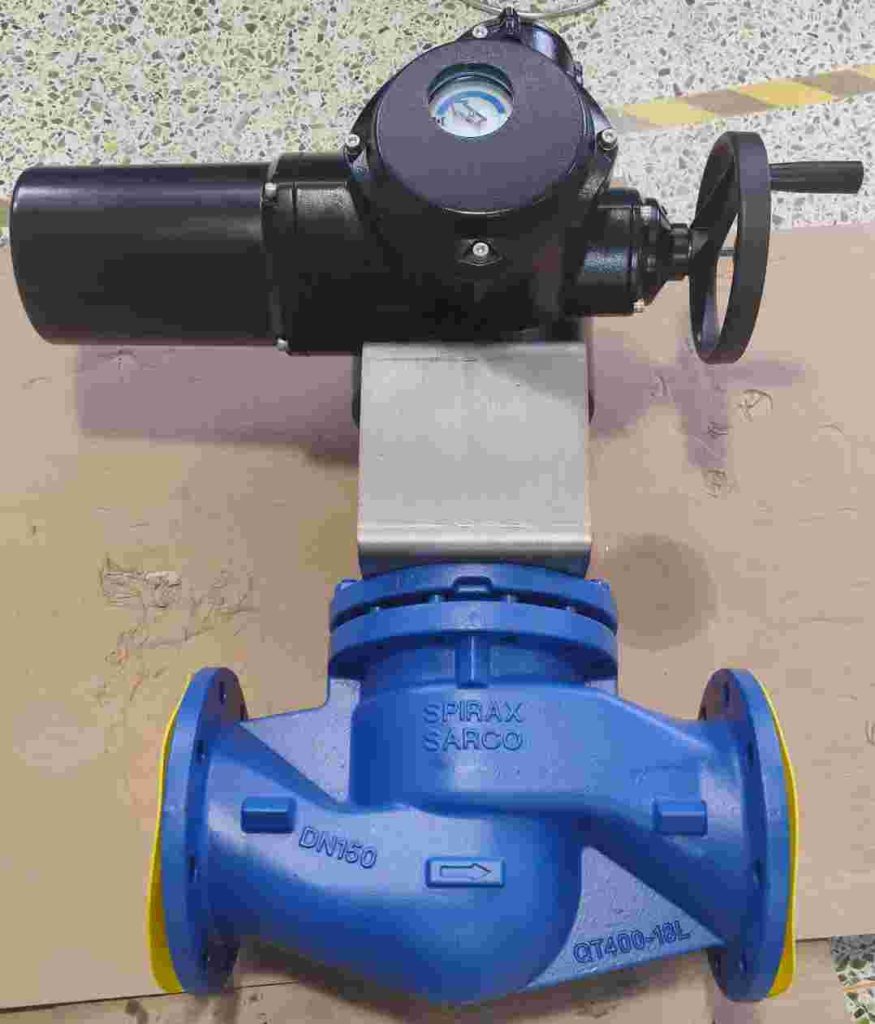
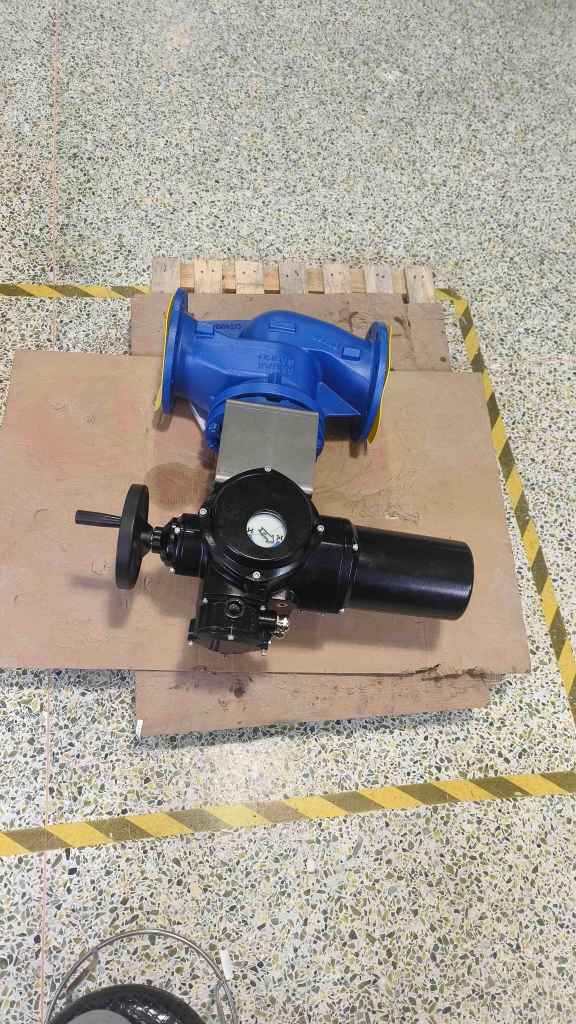
An electric bellows stop valve combines a traditional stop valve with the modern convenience of an electric actuator. The core of the stop valve is the bellows, a flexible, accordion-like component that creates a reliable seal when compressed. This flexible sealing mechanism is highly resistant to pressure and temperature fluctuations, making it ideal for sensitive environments. The electric actuator is responsible for opening and closing the valve, providing precise control over the flow of fluids or gases through the system. The electric actuator allows for remote control and automation of the valve, reducing the need for manual intervention. This is particularly useful in applications where the valve is located in hard-to-reach areas or in systems that require frequent adjustments. The combination of the bellows seal and electric actuator makes this type of valve suitable for applications where a reliable, leak-proof seal is critical, such as in the chemical, pharmaceutical, and food industries.