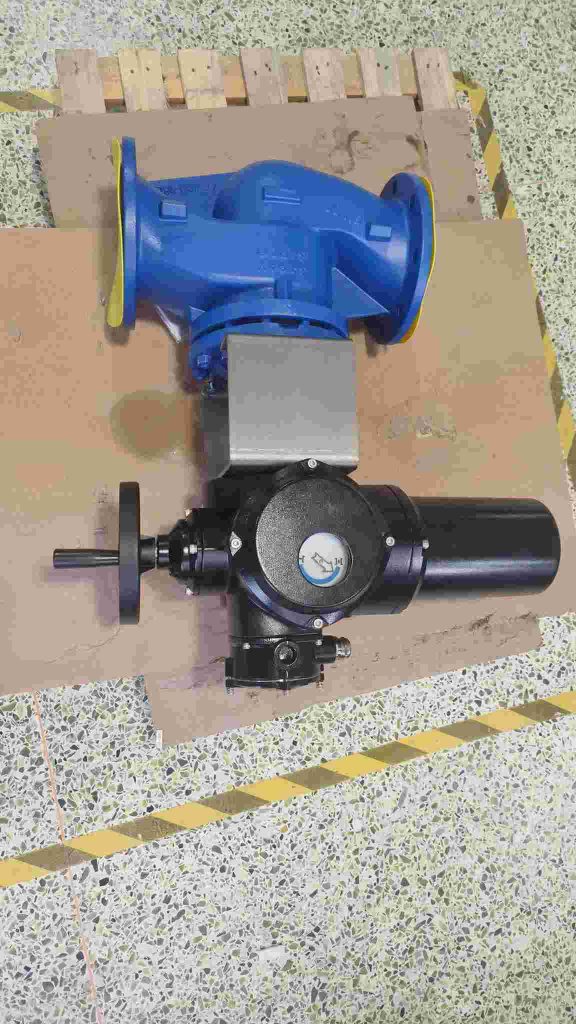
The Electric Bellows Stop Valve is a critical component in many industrial systems, designed to regulate the flow of various fluids while ensuring excellent sealing performance. This type of valve combines advanced technology with robust engineering to meet the rigorous demands of modern applications in industries such as chemicals, oil and gas, water treatment, and HVAC systems. In this article, we will explore the workings, features, advantages, and applications of electric bellows stop valves.
Working Principle
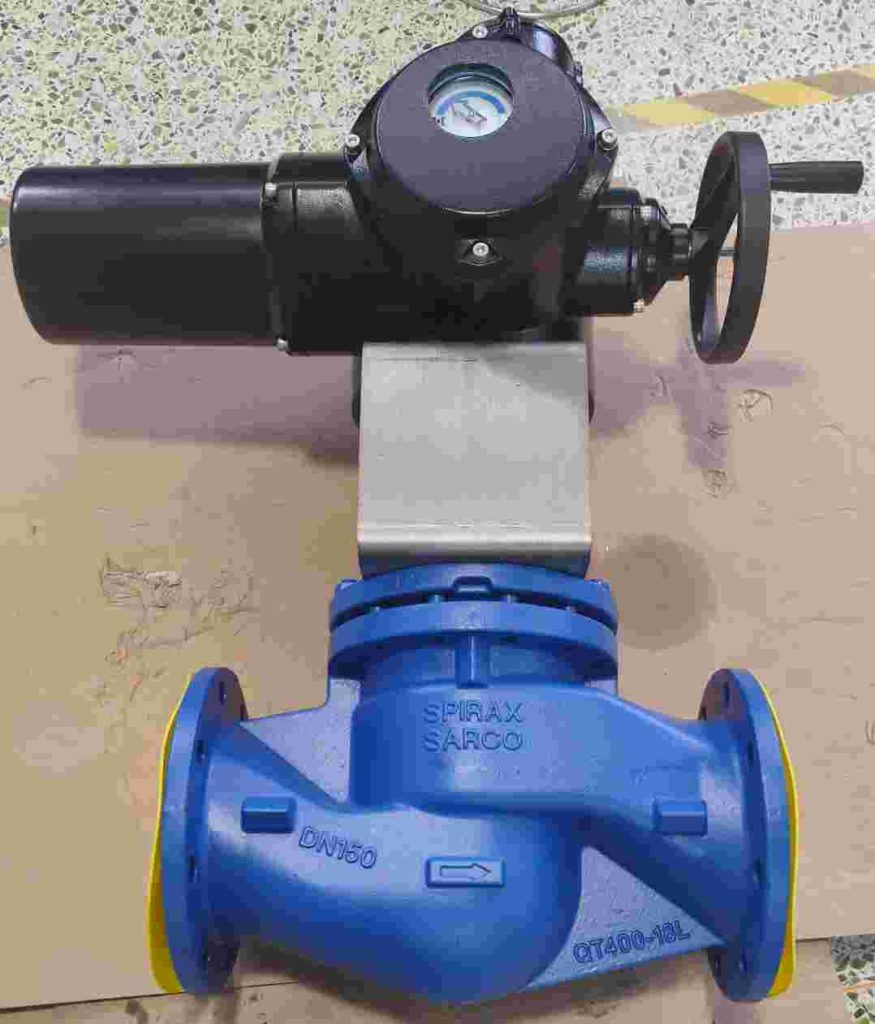
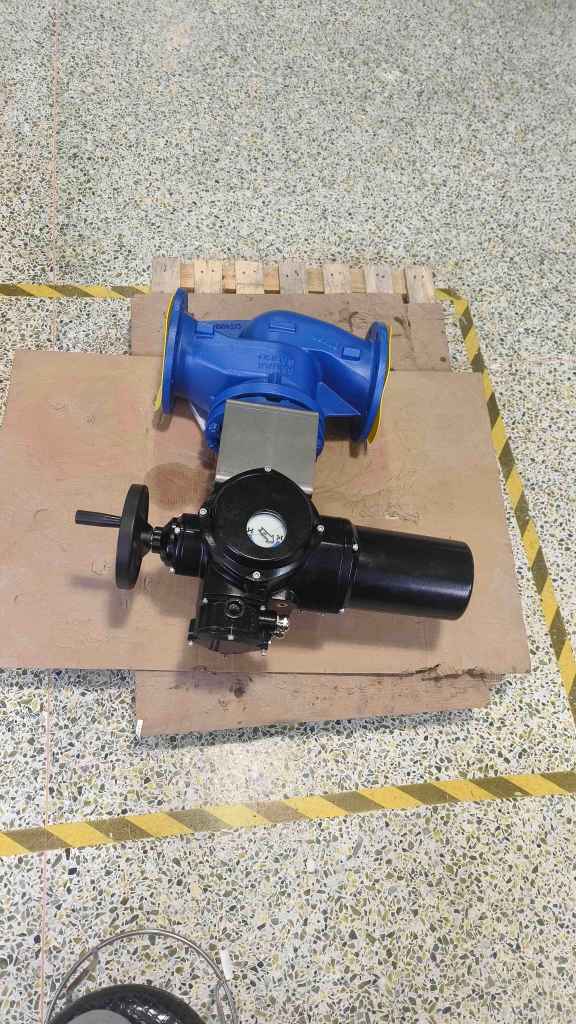
At its core, the electric bellows stop valve serves as a control mechanism for fluid flow. The essential components of the valve include the valve body, bellows seal, valve disc, and electric actuator. The valve body is typically made of durable materials like cast iron or stainless steel, designed to withstand the pressures and corrosive impacts of various fluids. The unique feature of this valve is the bellows seal. Made from high-quality flexible materials, the bellows are engineered to maintain a tight seal when the valve is closed. This prevents any leakage of fluid, which is particularly important in processes where leakage could lead to environmental hazards or safety concerns.