Electric actuator valves play a crucial role in the automation of fluid and gas control systems. From industrial pipelines to HVAC systems, these devices are used to regulate the flow of fluids with remarkable precision and reliability. This article explores the working principle, advantages, applications, and selection criteria for electric actuator valves, highlighting their importance in various industries.
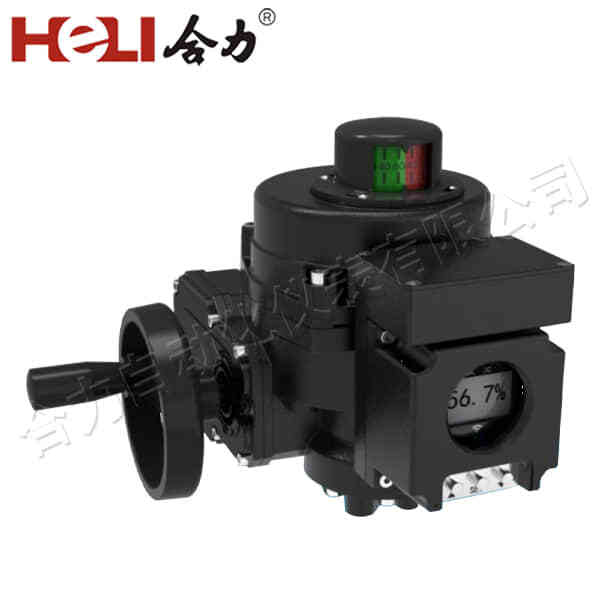
What is an Electric Actuator Valve?
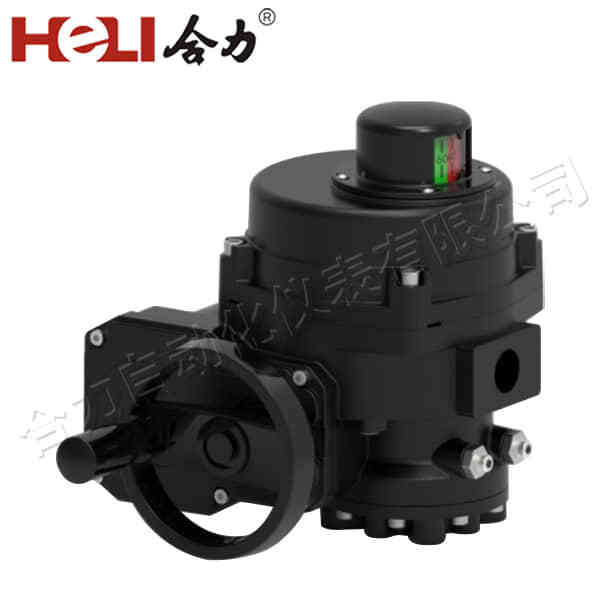
An electric actuator valve is a combination of an actuator and a valve designed to control the flow of fluids or gases in a pipeline. The actuator is responsible for driving the valve open or closed, while the valve itself physically blocks or allows the passage of fluids. The actuator receives electrical signals, either analog or digital, from a control system and responds by adjusting the valve’s position. The electric actuator converts electrical energy into mechanical movement, typically using a motor and gearbox mechanism. Electric actuator valves are known for their precision, efficiency, and versatility in a range of applications. They are commonly found in systems that require remote or automated control of fluid flow, reducing the need for manual intervention and improving system efficiency.
Leave a Reply