A Dual Relay Module is an essential component in the world of electronics, particularly when it comes to controlling high-voltage appliances using a microcontroller or microprocessor. This small yet powerful device allows you to switch electrical loads like motors, lamps, or fans through low-voltage control signals, making it an indispensable tool for automation, smart home projects, and more. In this article, we will explore the features, working principle, applications, and safety considerations of the Dual Relay Module.
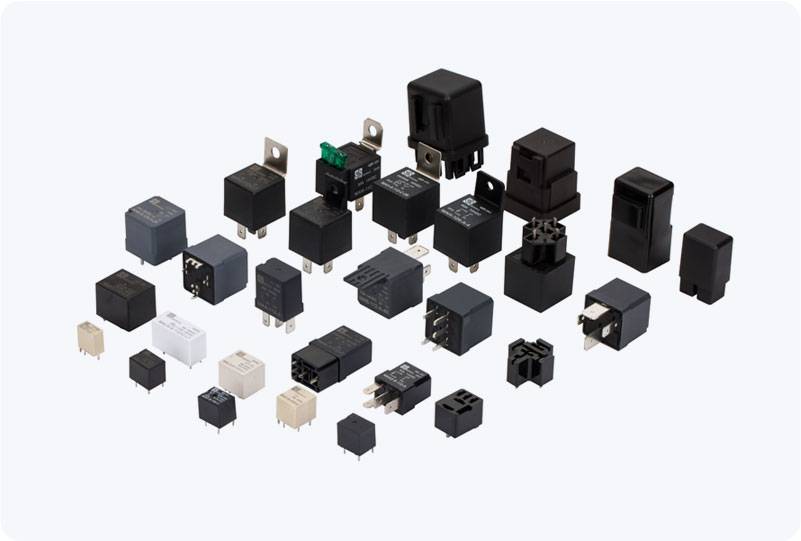
What is a Dual Relay Module? A Dual Relay Module is an electronic board that features two separate relays, each capable of independently controlling high-voltage circuits. The module is designed to work with microcontrollers like Arduino, Raspberry Pi, or other embedded systems, which typically operate at lower voltages (3.3V or 5V). By using this module, these microcontrollers can safely control higher voltage appliances (ranging from 110V to 220V AC or DC 12V) without the need for additional heavy-duty switching mechanisms. The module typically comes with two sets of relay control pins, labeled IN1 and IN2, which correspond to the two relays. These control pins are connected to the GPIO pins of a microcontroller, which sends a voltage signal to activate or deactivate the relays.