The Dual Relay Module is a versatile and essential component in many electronics and automation projects. It allows users to control high-power devices through low-power signals, making it an indispensable part of systems like home automation, robotics, and industrial control. In this article, we will explore what a Dual Relay Module is, how it works, and why it’s a vital tool for controlling electrical appliances with microcontrollers.
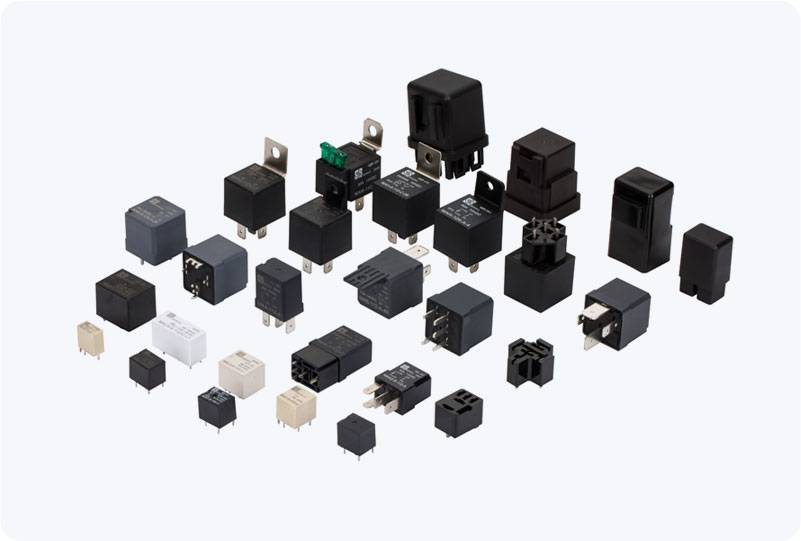
What is a Dual Relay Module? At its core, a Dual Relay Module is a device that integrates two mechanical relays in one unit. A relay is an electrically operated switch that allows a low-power signal to control a higher-power circuit. Relays are widely used in automation systems for controlling devices such as motors, lamps, home appliances, and other electronic equipment. The Dual Relay Module has two independent relays that can be controlled simultaneously or individually to operate two separate devices. A typical Dual Relay Module is designed to work with microcontrollers like Arduino, Raspberry Pi, or other development boards. The module is powered by a low-voltage signal, typically 5V, and uses the relays to switch higher-voltage circuits such as 12V DC, 24V DC, or 220V AC.