In the world of electronics and automation, controlling high-power devices through low-power signals is a fundamental requirement. One of the most effective solutions for this task is the Dual Relay Module. This versatile component acts as a bridge between low-voltage microcontroller signals and high-voltage appliances, making it an indispensable tool for hobbyists, developers, and engineers alike. In this article, we will delve into what a Dual Relay Module is, its components, working principles, applications, and best practices for use.
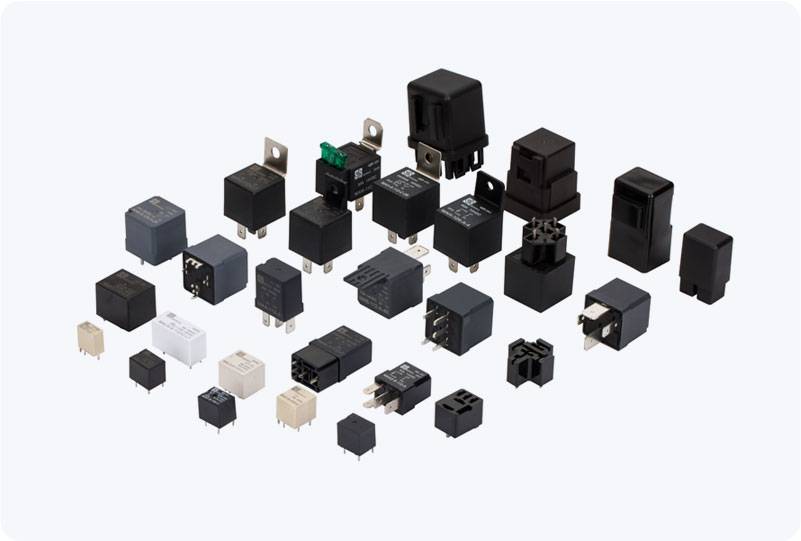
What is a Dual Relay Module? A Dual Relay Module is a circuit board that consists of two relay switches that can be controlled individually. Each relay is capable of switching a high-voltage load, allowing users to control various electric devices, such as lights, fans, and motors, using low-voltage signals from microcontrollers like Arduino or Raspberry Pi. This modular approach simplifies the process of interfacing high power devices while ensuring safety and reliability. Components of a Dual Relay Module Relays: The main components of the module are the two relays. Each relay consists of an electromagnet, an armature, and a set of contacts. When an electric current flows through the electromagnet, it creates a magnetic field that attracts the armature, thereby closing the contacts and allowing current to flow to the connected load.
Leave a Reply