In today’s fast-paced industrial environment, automation plays a crucial role in enhancing efficiency and productivity. Among various components that facilitate automation, the DC solenoid valve stands out as a pivotal element for controlling fluid flow in a myriad of applications. This article delves into the structure, working principles, types, applications, advantages, and considerations regarding DC solenoid valves.
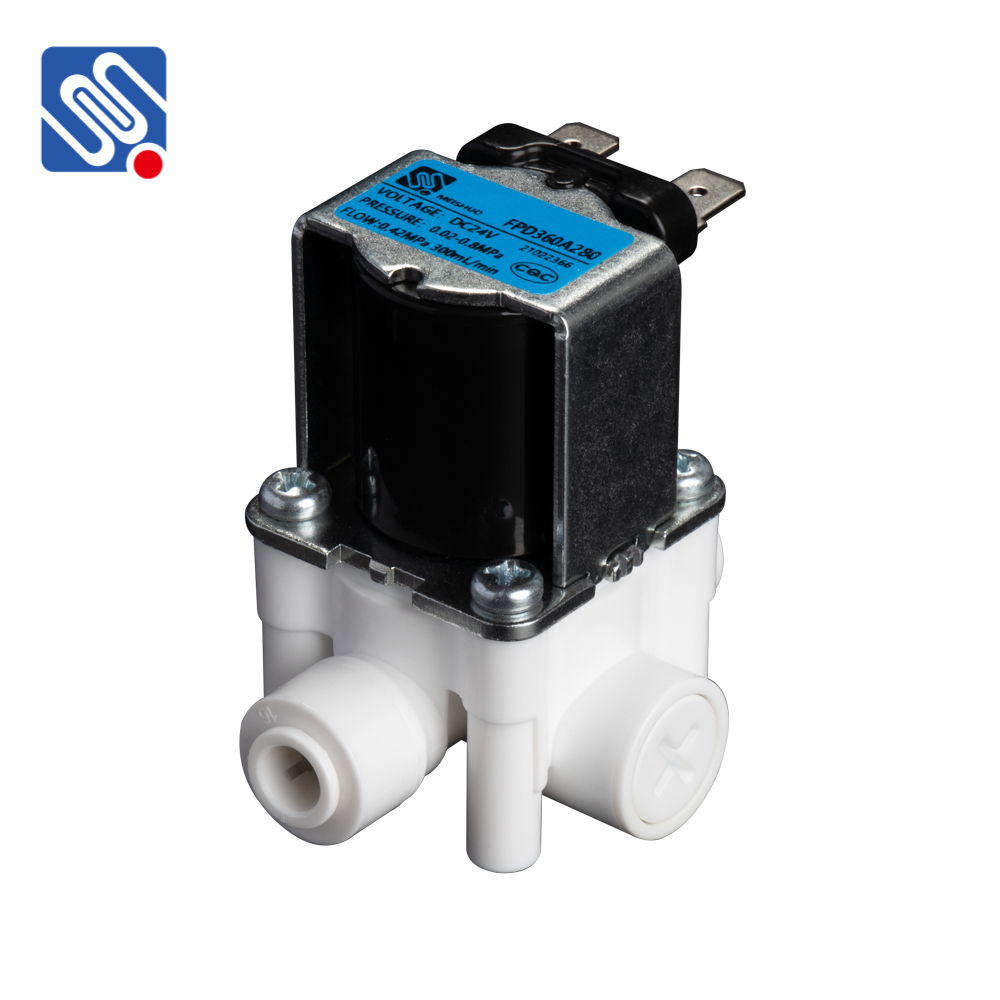
What is a DC Solenoid Valve? A DC solenoid valve is an electromechanical device that controls the flow of liquids or gases through pipes. It operates on direct current, converting electrical energy into mechanical movement. The valve consists of a coil (the solenoid), a movable armature, and a valve body that houses the fluid passage. When electricity is supplied to the coil, a magnetic field is generated, which either opens or closes the valve depending on its design. This simple yet effective mechanism allows for rapid and precise control of fluid flow. Working Principle The working principle of a DC solenoid valve revolves around the interaction between the coil and the armature. When electric power flows through the coil, a magnetic field develops, pulling the armature upward or downward, which either opens or closes the valve. There are two primary configurations for DC solenoid valves: normally closed (NC) and normally open (NO).