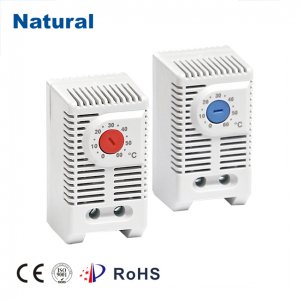
When it comes to maintaining a comfortable indoor environment, the control panel thermostat plays a pivotal role in regulating temperature and enhancing energy efficiency in residential and commercial settings alike. As modern heating, ventilation, and air conditioning (HVAC) systems evolve, understanding the functionality, advantages, and operational aspects of the control panel thermostat becomes increasingly significant for users looking to optimize comfort and energy savings.
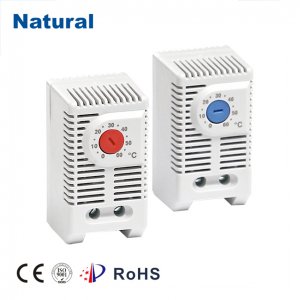
What is a Control Panel Thermostat?
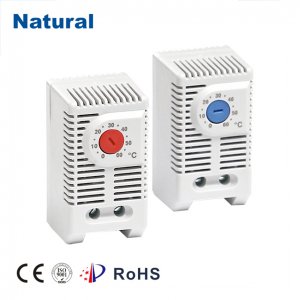
A control panel thermostat is a device that senses the ambient temperature within a space and automatically adjusts the heating or cooling system accordingly. Its primary function is to maintain a preset temperature, ensuring that the environment remains comfortable for occupants. Most control panel thermostats feature a user interface—often a digital display—allowing users to set desired temperatures, program schedules, and access various system settings. Types of Control Panel Thermostats Control panel thermostats come in various types, catering to different needs and preferences: Manual Thermostats: These are the simplest form of control panel thermostats. Users manually adjust the temperature settings. While they are cost-effective, they lack programmable features.