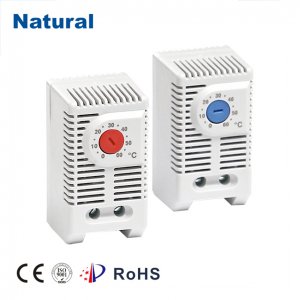
In various electrical appliances and industrial systems, temperature regulation is crucial to ensure efficient operation and prevent damage. One essential component that plays a significant role in this task is the control bimetal thermostat thermal protector. This device is instrumental in monitoring temperature changes and providing safety by interrupting the electrical current when certain temperature thresholds are exceeded. In this article, we will delve into the working principles, applications, advantages, and considerations associated with control bimetal thermostat thermal protectors.
Working Principles
The control bimetal thermostat thermal protector consists of two different metals bonded together to form a bimetallic strip. Each metal has a different coefficient of thermal expansion, which means they expand at different rates when subjected to heat. When the temperature rises, the strip bends due to the unequal expansion of the two metals. This bending action opens or closes an electrical contact. Typically, the device is preset to activate at a specific temperature. When the temperature reaches this threshold, the bimetal strip bends to the point where it either engages or disengages a switch. This switch can cut off power to the appliance, effectively protecting it from overheating. Once the temperature drops back below the set threshold, the bimetal strip returns to its original position, re-establishing the electrical connection and allowing normal operation to resume.