The compact solenoid valve is a vital component in various industrial applications, designed to control the flow of liquids and gases efficiently. As automation technology continues to advance, the demand for compact and reliable components increases, making the compact solenoid valve a fundamental element in numerous systems. This article will delve into the structure, functioning, applications, and benefits associated with compact solenoid valves, highlighting why they are essential in today’s industries.
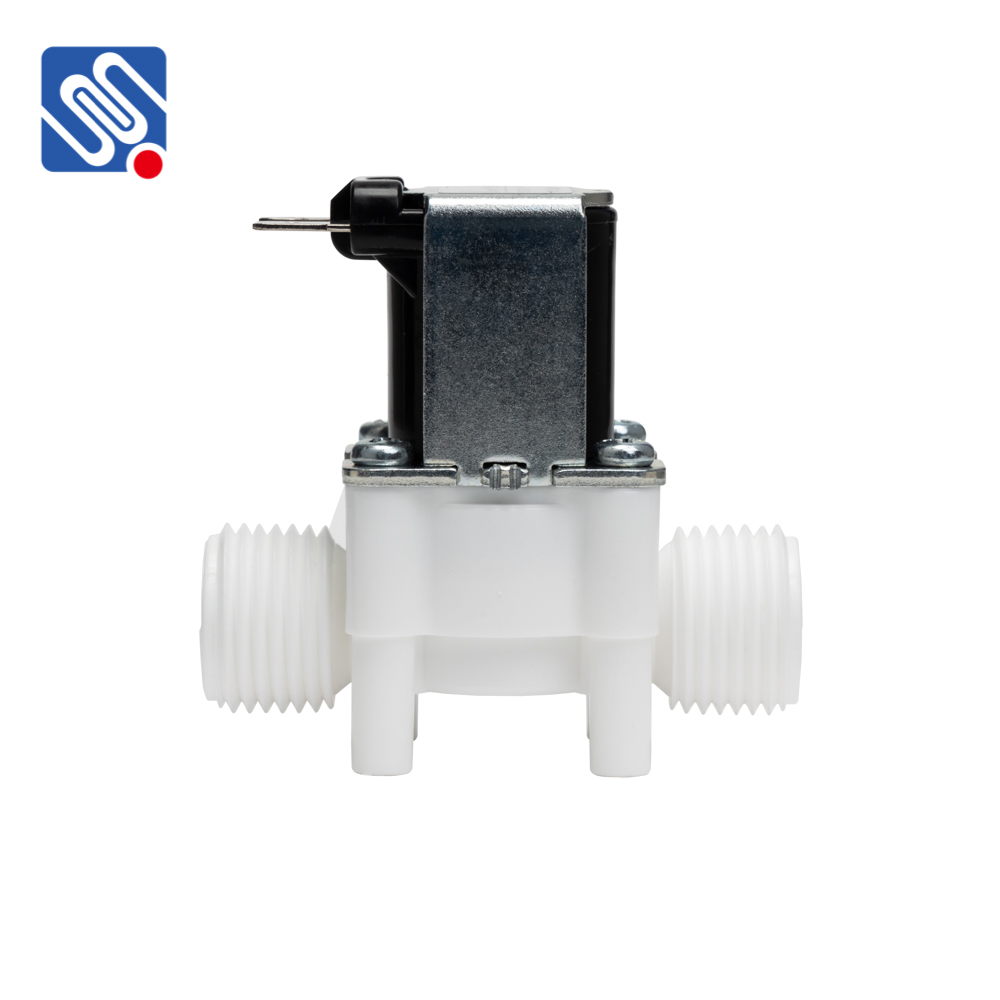
Structure and Operation A compact solenoid valve generally comprises a solenoid, a valve body, and various internal components such as springs and diaphragm or piston mechanisms. The solenoid, which is essentially an electromagnet, is a coil of wire that creates a magnetic field when electric current flows through it. This magnetic field acts to open or close the valve, allowing or restricting flow as necessary. When the solenoid is energized, the magnetic field pulls a plunger or armature within the valve. This movement engages the valve mechanism – either closing the flow path or opening it depending on the design. Compact solenoid valves are specifically engineered to minimize their size while maximizing performance. The compact design not only saves space in machinery setups but also enhances installation flexibility.