The Circuit Breaker Relay is an essential device used in modern electrical systems to protect both electrical circuits and equipment from damage caused by overloads, short circuits, or other faults. It serves as a crucial element in safeguarding both the integrity of the electrical system and the safety of its users. In this article, we will delve into the working principle, types, applications, and benefits of circuit breaker relays, explaining why they are indispensable in electrical protection systems.
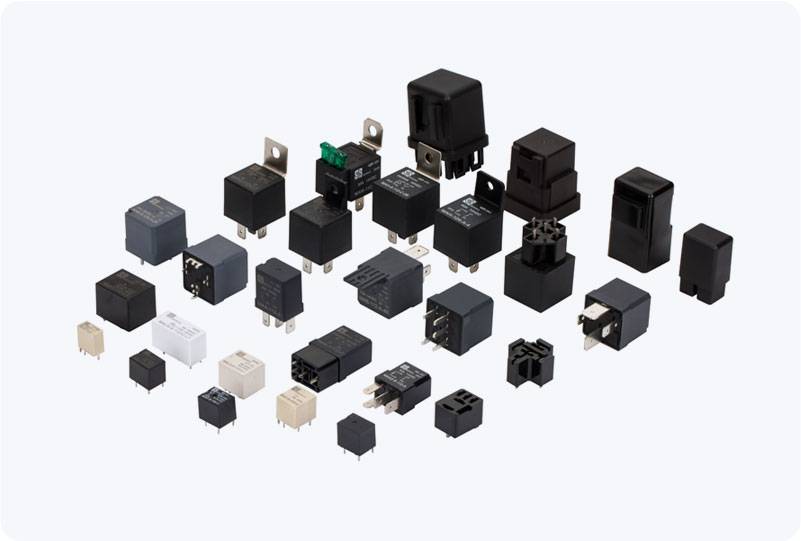
What is a Circuit Breaker Relay? A Circuit Breaker Relay is a hybrid device that combines the functionality of a circuit breaker and a relay. Its primary function is to monitor the electrical circuit continuously and disconnect the circuit in the event of an electrical fault, such as overcurrent or short circuit, to prevent further damage. The relay portion of the device detects the abnormal condition, and upon activation, it triggers the circuit breaker to open and interrupt the power flow. The combination of these two components allows the Circuit Breaker Relay to automatically sense electrical faults and take immediate action to prevent equipment failure, fire hazards, or other dangerous situations in electrical systems.